1. Why Market Fundamentals Matter
Property is not a short-term trading instrument—it is a long-term asset that forms the foundation of wealth accumulation and retirement planning for many Singaporeans. Understanding market fundamentals is therefore not an optional exercise for the intellectually curious; it is a critical discipline for anyone seeking to make property decisions that will serve them well across market cycles.
Market cycles are an inherent feature of real estate. Prices do not move in a straight line. They rise during periods of strong demand, low interest rates, and optimistic sentiment. They stabilize or correct when supply increases, interest rates rise, or economic uncertainty emerges. These cycles are not random—they are driven by identifiable factors: interest rates set by central banks, supply pipelines determined by government planning and developer activity, and policy interventions such as cooling measures or foreign buyer restrictions.
Interest rates deserve particular attention. When the Monetary Authority of Singapore raises rates, mortgage affordability decreases, which moderates buyer demand and can trigger price corrections. Conversely, lower rates increase purchasing power and stimulate demand. Supply dynamics are equally important. A robust pipeline of new launches can moderate price growth by increasing choice and competition. Government policies—from cooling measures to changes in foreign ownership rules—can shift market sentiment and buyer behavior overnight.
Emotional decision-making is the enemy of long-term property success. Many buyers purchase at market peaks driven by fear of missing out, only to face negative equity when prices correct. Others avoid the market entirely during downturns, missing opportunities to acquire quality assets at discounted prices. The antidote is clarity rooted in data and fundamentals.
The goal of understanding market fundamentals is not to predict the exact timing of peaks and troughs—that is impossible. Rather, it is to develop a disciplined framework for evaluating opportunities regardless of where we are in the cycle. A well-selected property with strong fundamentals will perform well across cycles. A poorly selected property will underperform regardless of timing. This is why market research and strategic thinking matter profoundly.
2. Featured Market Research
These comprehensive research reports provide data-driven analysis of key market segments and macroeconomic drivers. They serve as foundational resources for understanding Singapore's property landscape.
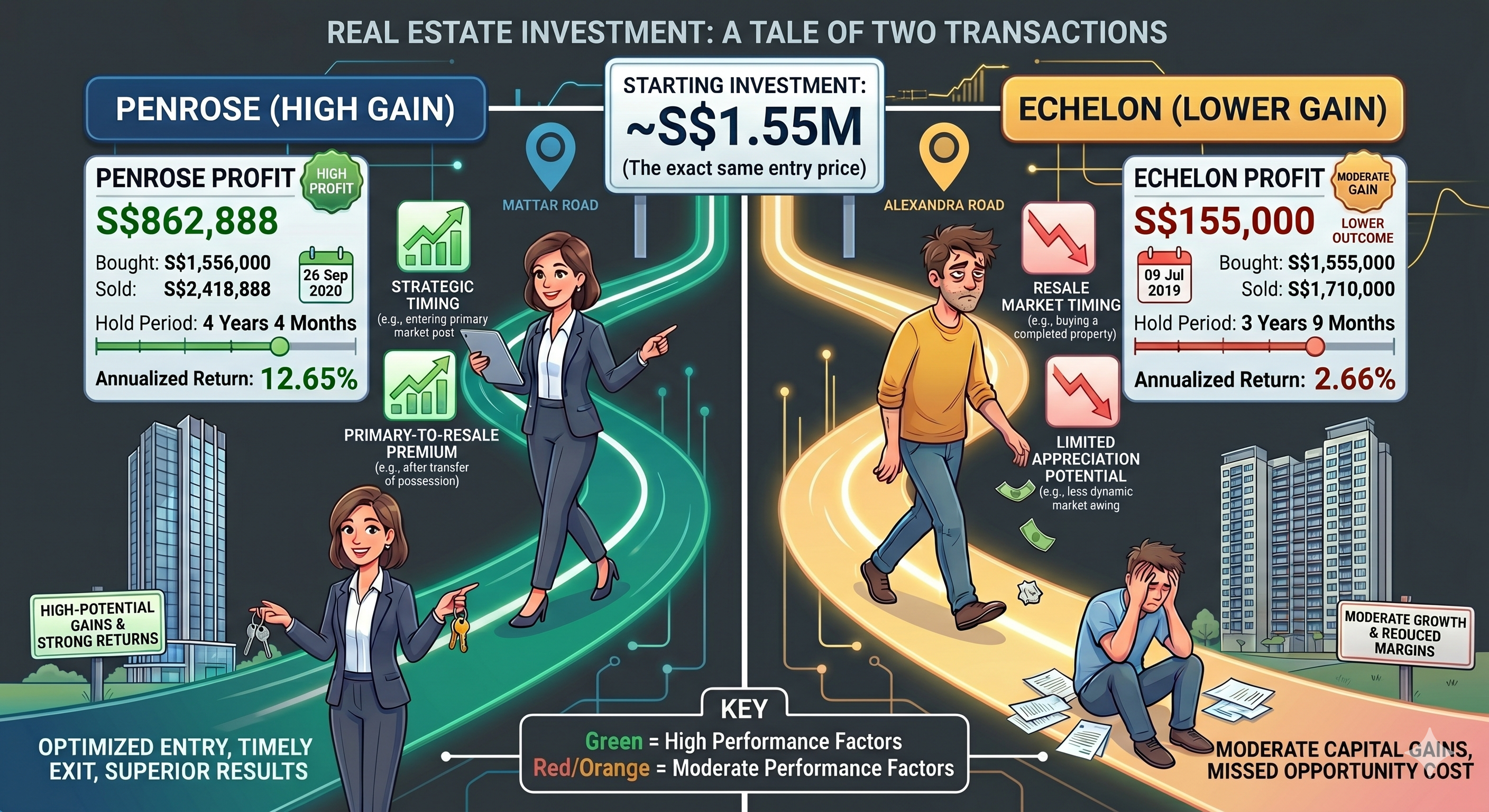
Exclusive Condo Insights 2026
Research-driven analysis and pricing insights across Singapore condos, including market trends, district performance, and investment opportunities.
Read Analysis →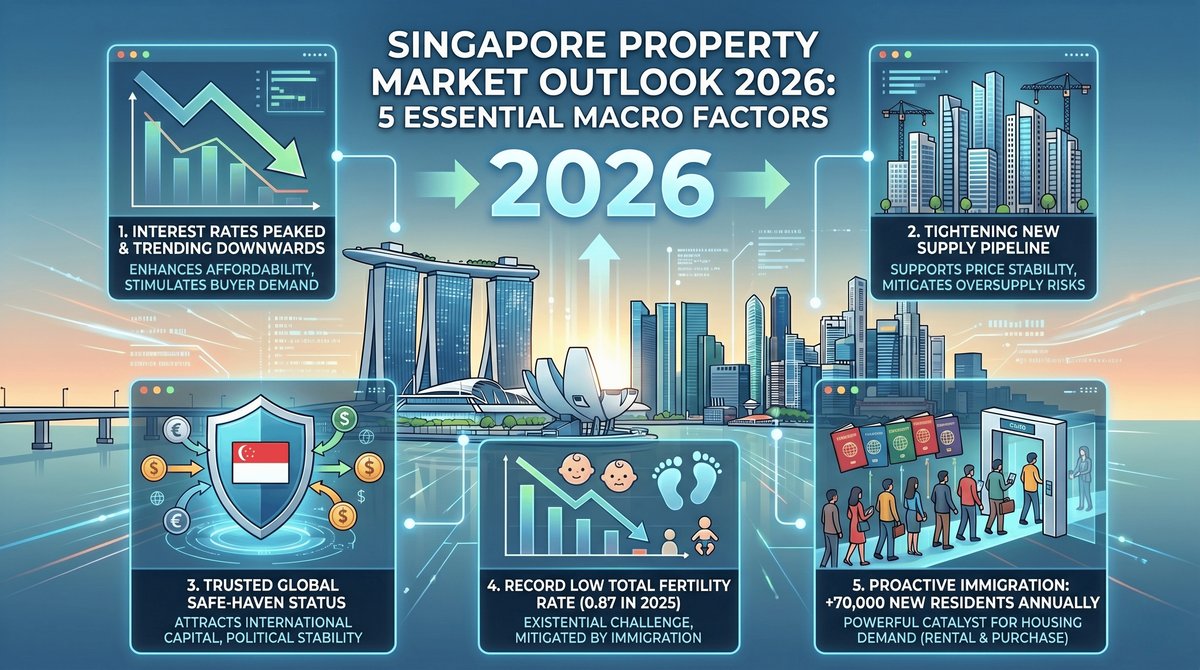
Singapore Property Market Outlook 2026
Analysis of interest rates, supply pipeline and macro factors shaping the market, including government policies and economic headwinds.
Read Outlook →3. Project Reviews & Individual Fundamentals
Market trends and project fundamentals work together. While understanding the broader market context is essential, the ultimate success of your property investment depends on the specific project you select. A strong market cannot save a poorly selected project, just as a weak market cannot undermine a well-selected one.
The Project Reviews hub provides independent, rigorous analyses of individual condominium projects. Each review employs a disciplined framework examining location fundamentals, developer track record, unit mix, pricing relative to comparables, and exit strategy. This micro-level analysis complements the macro-level market research, enabling you to make decisions grounded in both context and specificity.
Featured projects worth exploring include Thomson Reserve, one of 2026's most significant launches; Lentor Gardens Residences, a strategically located development; Lucerne Grand, offering compelling value; and The Island Residence, a luxury waterfront offering.

Project Reviews Hub
Comprehensive reviews and analyses of Singapore condominium projects, new launches, and investment opportunities with disciplined evaluation frameworks.
Explore Reviews →4. Supply Pipeline & Government Land Sales
Land supply is the ultimate driver of future property prices. Singapore's finite land area means that government planning and land release decisions have profound implications for long-term market dynamics. Understanding the supply pipeline—both the quantum of new launches and the timing of their arrival—is therefore essential for strategic property planning.
Government Land Sales (GLS) sites are particularly important to monitor. When the government releases land for residential development, it signals where urban planning initiatives are focused, establishes baseline pricing benchmarks for the area, and provides early foresight into upcoming project launches. GLS sites often set the tone for surrounding resale markets, as developers calibrate their pricing relative to government-determined land costs. By tracking GLS tenders and their awarded prices, you gain crucial intelligence about future supply and market direction.
Understanding future inventory helps you avoid the trap of overpaying for a property in an area about to be flooded with new supply. Conversely, it helps you identify areas where constrained supply may support stronger capital appreciation. This forward-looking perspective is a hallmark of disciplined property investing.

Upcoming GLS Sites
Comprehensive tracking of government land sales tenders, awarded prices, and upcoming residential projects across Singapore.
View GLS Pipeline →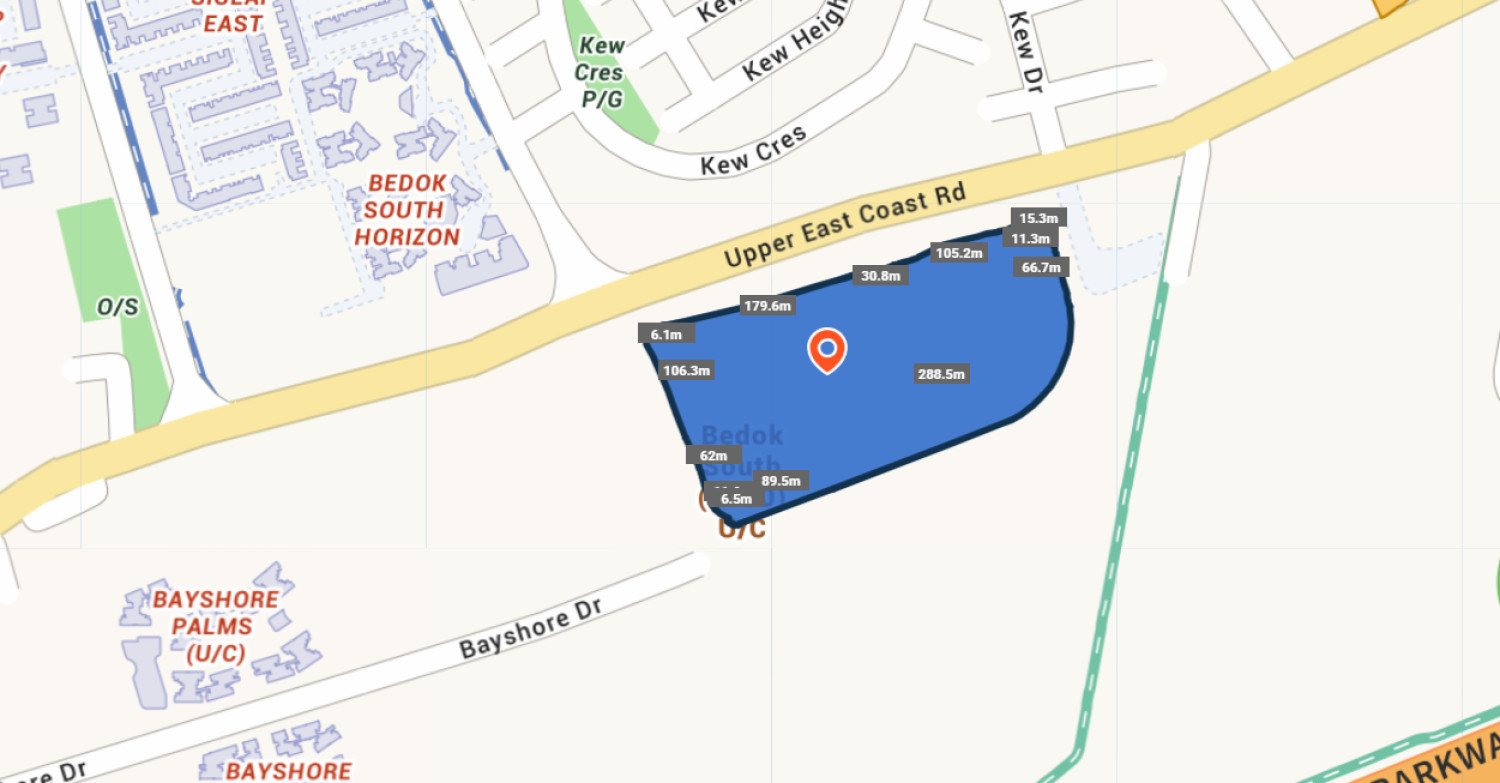
Bayshore Drive GLS
Analysis of the Bayshore Drive GLS integrated development, including location fundamentals, pricing benchmarks, and market implications.
Read Analysis →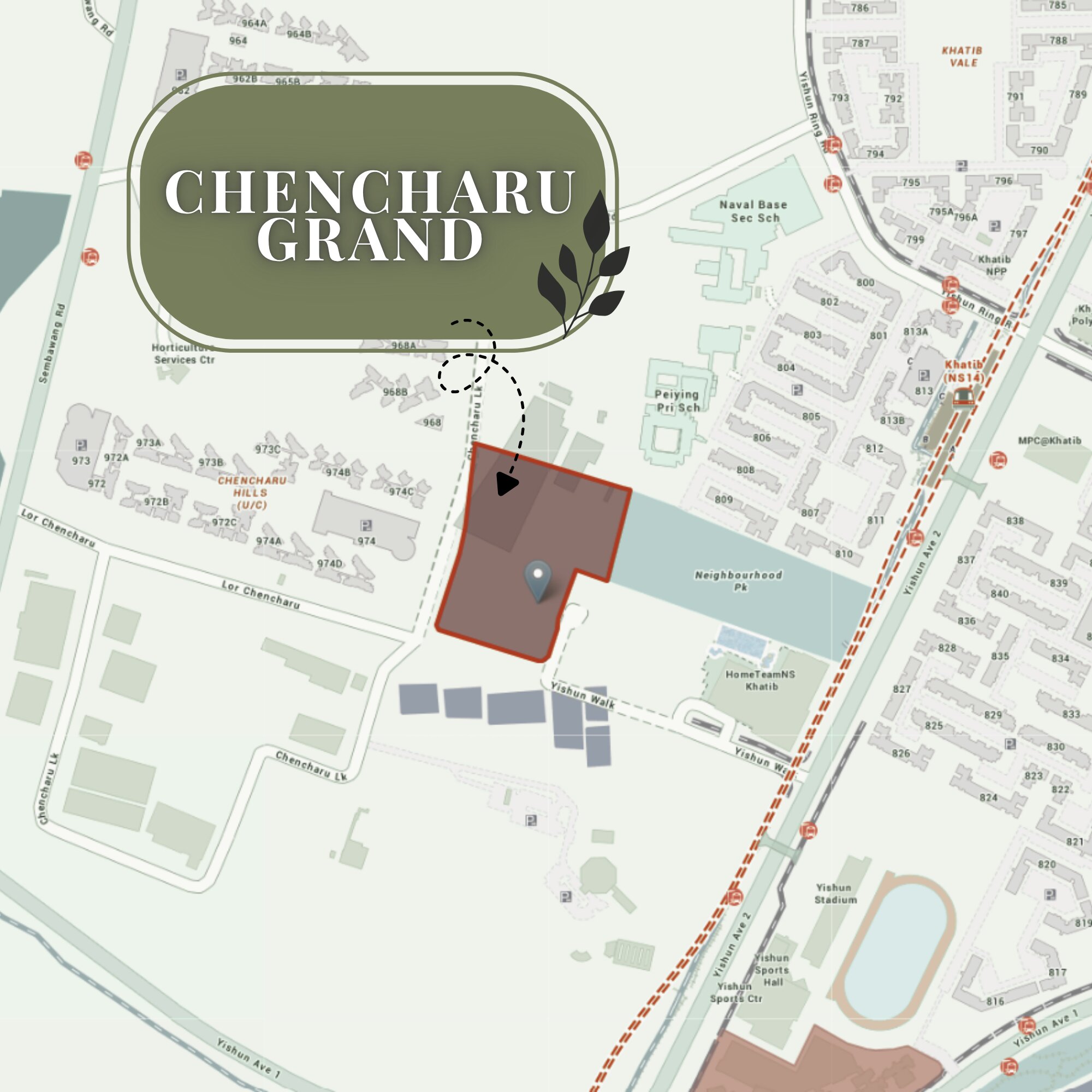
Chencharu Close GLS
Strategic analysis of the Chencharu Close GLS site, examining location potential, supply implications, and investment considerations.
Explore Site →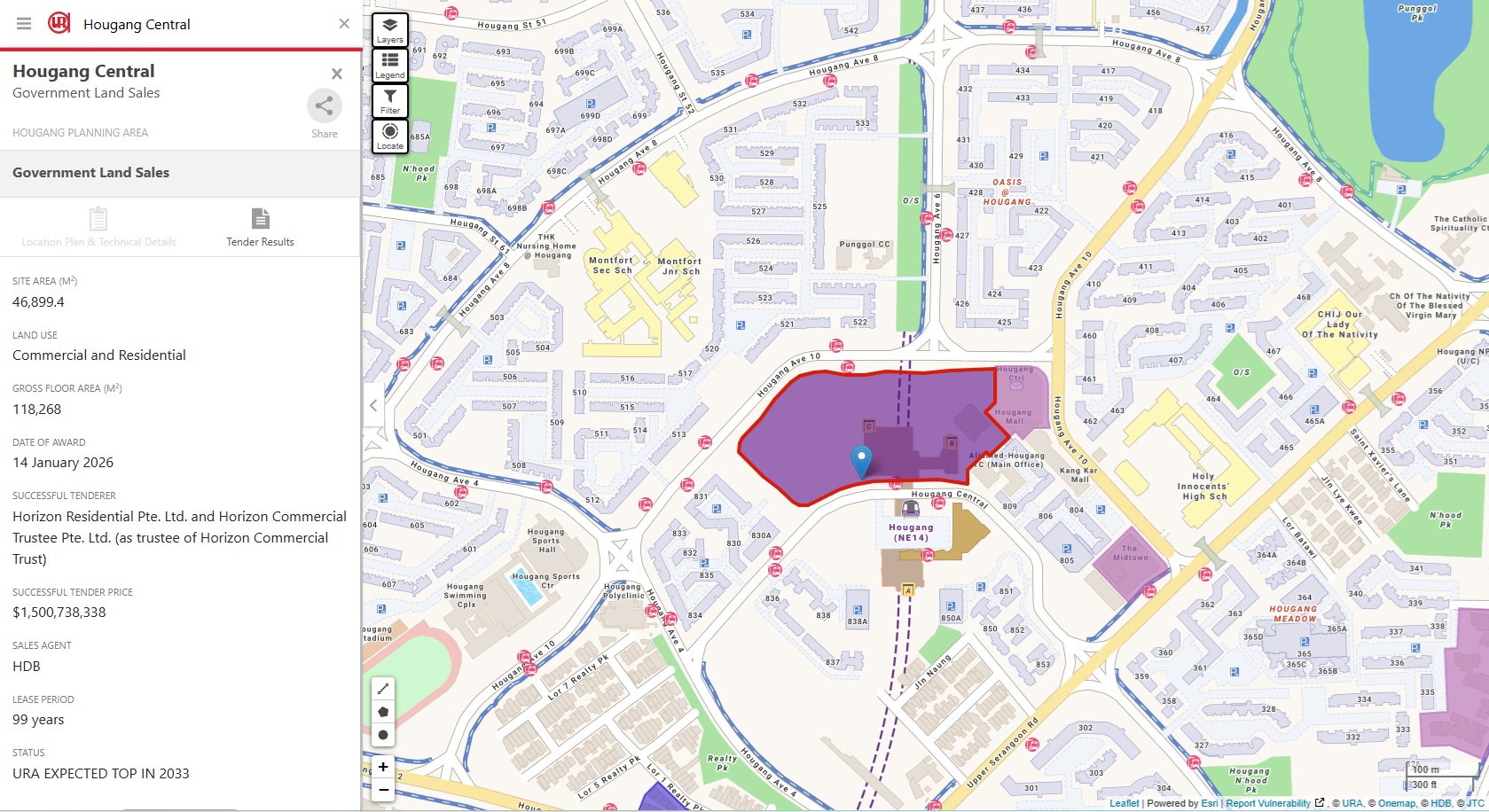
Hougang Central GLS
Analysis of the Hougang Central GLS development, including district transformation potential and market fundamentals.
View Analysis →5. Neighbourhood Trends & District Evolution
Districts and neighbourhoods do not remain static. They evolve over time in response to infrastructure development, urban planning initiatives, economic shifts, and demographic changes. Understanding how specific areas are transforming is crucial for identifying emerging opportunities and avoiding stagnant markets.
The URA Master Plan provides the strategic blueprint for Singapore's development over the next 10 to 15 years. Districts undergoing planned transformation—whether through new MRT lines, employment hub development, or residential intensification—often experience stronger capital appreciation than areas with limited planned change. However, transformation takes time to materialize, and early investors must have conviction in the long-term vision.
Neighbourhood research involves examining not just current amenities, but future potential. A district with limited current convenience but strong master plan support may offer better value than an already-developed area where most appreciation has already been priced in. This forward-looking perspective separates strategic investors from reactive buyers.

Living in Hougang
Comprehensive neighbourhood guide covering Hougang's transformation, amenities, connectivity, and investment potential.
Explore Hougang →
Living in Bedok
Analysis of Bedok's evolution, market dynamics, and property opportunities in this established East Coast neighbourhood.
Discover Bedok →
Living in Woodlands
Guide to Woodlands' strategic location, connectivity improvements, and emerging investment opportunities in the North region.
Learn About Woodlands →6. Buyer Education & Market Frameworks
Effective property decision-making requires understanding key market frameworks and terminology. These frameworks help you contextualize market conditions, compare opportunities, and evaluate whether a property aligns with your specific situation.
Understanding the distinction between OCR (Outside Central Region), RCR (Rest of Central Region), and CCR (Core Central Region) helps you calibrate pricing expectations and identify value. Similarly, comparing new launch versus resale condos reveals different trade-offs: new launches offer modern designs and progressive payment schemes, while resale condos provide established amenities and potentially larger living spaces. The right choice depends entirely on your financial timeline and asset progression strategy.
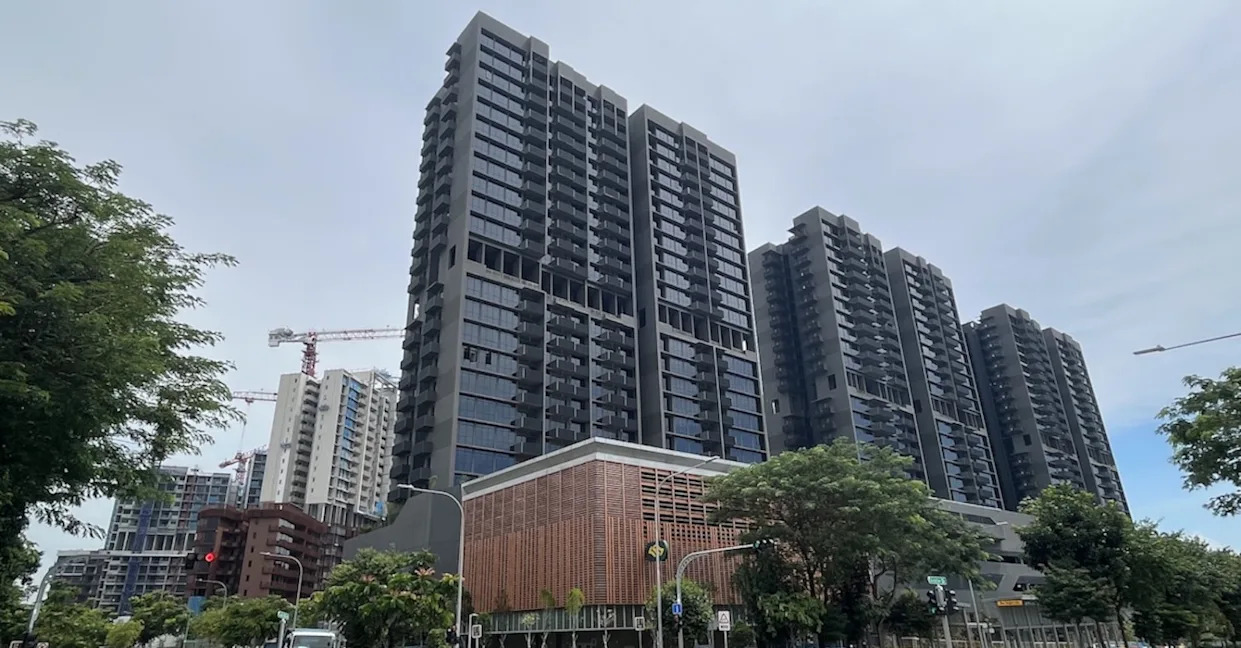
Upcoming Condo Launches Singapore 2026
Comprehensive guide to new condominium launches, including market overview, project pipeline, and investment considerations.
View Launches →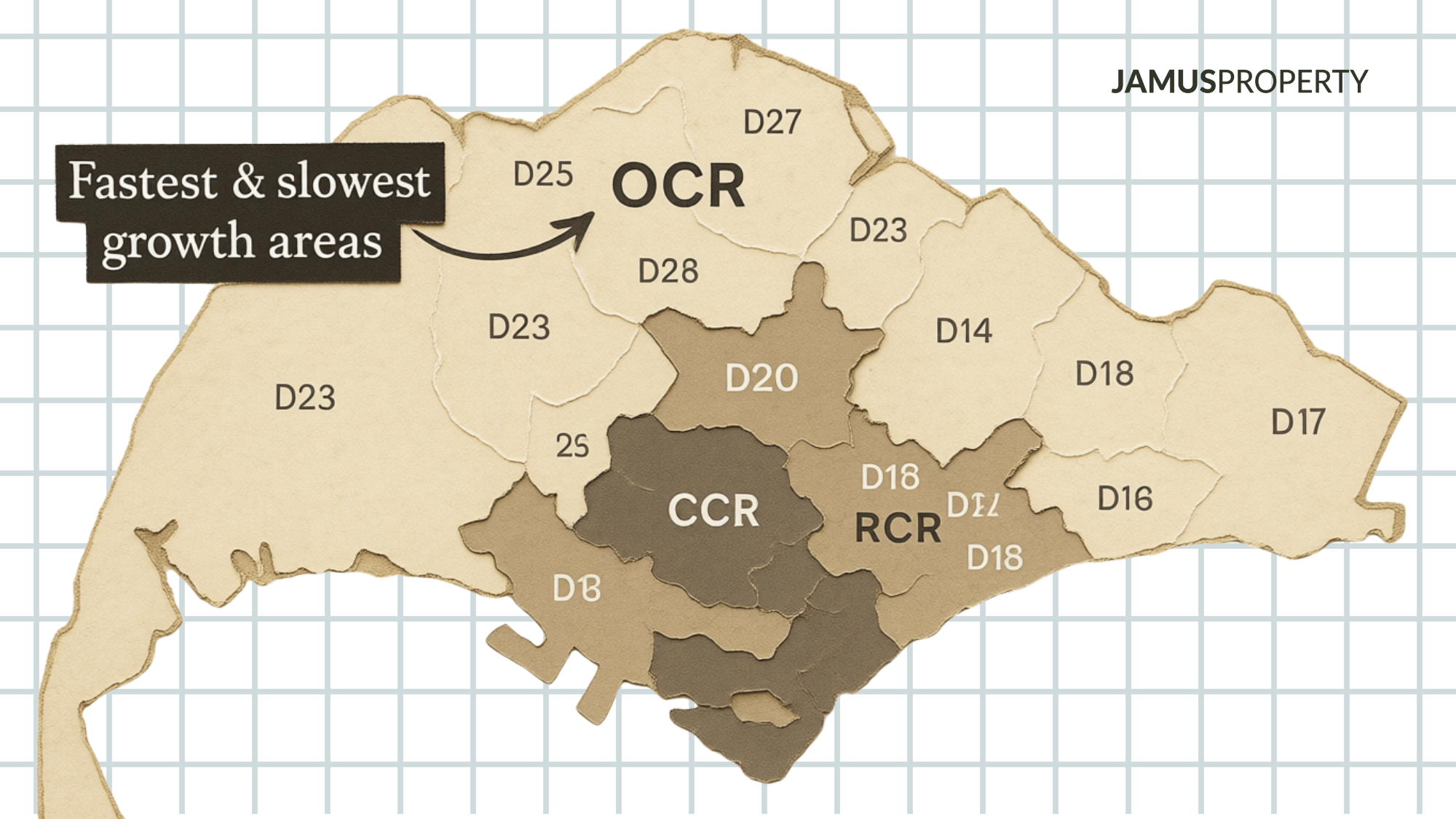
OCR vs RCR vs CCR
Understanding Singapore's property market regions, pricing dynamics, and how to evaluate value across different areas.
Learn Regions →
New Launch vs Resale Condo
Comparative analysis of new launch and resale condos, examining advantages, disadvantages, and strategic considerations.
Compare Options →7. What I Monitor in the Market
Disciplined property investing requires continuous monitoring of key market indicators. These indicators provide early signals of shifting market conditions and help inform strategic decisions. Rather than reacting to headlines or sentiment, I focus on objective, quantifiable metrics that reveal underlying market dynamics.
Interest Rates are perhaps the most important indicator to track. Monetary policy decisions by the Monetary Authority of Singapore directly impact mortgage affordability and buyer purchasing power. Rising rates typically moderate price growth or trigger corrections, while falling rates stimulate demand. Understanding the interest rate cycle is fundamental to understanding the property market cycle.
Supply Pipeline reveals the quantum and timing of new launches. A robust pipeline can moderate price growth by increasing choice and competition. Conversely, constrained supply may support stronger appreciation. Tracking GLS tenders, developer announcements, and project launches provides crucial foresight into future market dynamics.
Government Land Sales establish baseline pricing benchmarks and signal government planning priorities. GLS prices often set the tone for surrounding markets, as developers calibrate their pricing relative to government-determined land costs. Monitoring GLS outcomes reveals the government's long-term development trajectory.
Population Growth and demographic trends influence long-term demand drivers. Singapore's aging population, immigration policies, and household formation rates all affect property demand. Understanding these demographic shifts helps identify areas with strong long-term demand tailwinds.
Master Plan Changes reveal government vision for district transformation. The URA Master Plan is updated periodically, and changes often signal new development priorities. Districts with planned infrastructure improvements or employment hub development often experience stronger capital appreciation over the long term.
Transaction Volumes indicate market participation and sentiment. Rising transaction volumes often signal strong demand and confidence, while declining volumes may indicate caution or reduced buyer interest. However, volume alone is insufficient—price trends must be considered alongside transaction activity.
Rental Market dynamics provide insight into investor sentiment and yield expectations. Strong rental demand and rising rents support property valuations, while weak rental markets may constrain appreciation. For investors, rental yield is a crucial component of total return.
Future Infrastructure development—new MRT lines, employment hubs, or transport corridors—often acts as a catalyst for district transformation. Properties positioned to benefit from planned infrastructure often appreciate more strongly than those in areas with limited planned change. This forward-looking perspective is essential for identifying emerging opportunities.
Interest Rates
Mortgage affordability and purchasing power drivers
Supply Pipeline
New launches and future inventory trends
Government Land Sales
Pricing benchmarks and planning signals
Population Growth
Long-term demand drivers and demographics
Master Plan Changes
District transformation and development vision
Transaction Volumes
Market participation and sentiment indicators
Rental Market
Investor sentiment and yield expectations
Future Infrastructure
Catalysts for district transformation
8. Frequently Asked Questions
9. Future Research Topics
We are continuously expanding our market research coverage to bring you in-depth analyses of emerging trends and strategic topics. These upcoming research initiatives will provide deeper insights into specific market dynamics and investment opportunities.

Cooling Measures Analysis
Interest Rate Trends
URA Master Plan 2025
Supply Pipeline Dashboard
District Performance Comparison
Rental Market Analysis
Price Gap Opportunities
Emerging Growth Areas
10. Conclusion: Making Informed Property Decisions
Property markets move in cycles. These cycles are driven by identifiable factors—interest rates, supply, policy, and macroeconomic conditions—that create periods of opportunity and periods of caution. Understanding these cycles does not allow you to predict the exact timing of peaks and troughs, but it does enable you to make disciplined decisions regardless of where we are in the cycle.
Understanding fundamentals matters more than chasing headlines. Market sentiment shifts rapidly, driven by news cycles and emotional reactions. However, the underlying fundamentals—location quality, developer reputation, supply dynamics, and exit strategy—change more slowly and provide a more reliable foundation for decision-making. A well-selected property with strong fundamentals will perform well across cycles. A poorly selected property will underperform regardless of market conditions.
Good decisions are made through clarity and data. This means taking time to understand market context, researching specific projects rigorously, and evaluating opportunities against clear criteria rather than emotional impulses. It means recognizing that property investment is a long-term discipline, not a short-term trading game. It means building conviction based on analysis, not sentiment.
Project selection and market understanding should work together. Macro-level market research provides context and helps you identify favorable market conditions. Micro-level project analysis ensures you select quality assets within those conditions. The combination of these two perspectives—understanding both the forest and the trees—is the hallmark of disciplined property investing.
For deeper analysis of specific projects, explore the Project Reviews hub, which provides comprehensive evaluations grounded in the same disciplined framework. Whether you are a first-time buyer, an experienced investor, or someone planning your long-term asset progression, the principles remain consistent: focus on fundamentals, understand market context, and make decisions based on data and strategic foresight.
Ready to explore specific projects or discuss your property strategy? Get in touch to discuss your goals and how we can work together to navigate Singapore's property market with confidence.
Disclaimer
The information provided on this website is for educational and informational purposes only. It should not be construed as financial advice, investment advice, or a recommendation to buy or sell any property. Property investment carries inherent risks, and past performance does not guarantee future results.
Always consult with qualified professionals, including financial advisors, legal counsel, and property agents, before making any property investment decisions. Jamus Lee and JamusProperty.com are not liable for any direct or indirect losses resulting from the use of information on this website.
Let's Discuss Your Property Goals
Whether you're exploring market insights, evaluating specific projects, or planning your next property move, I'm here to help. Reach out to discuss your goals and explore how we can work together.