20 min read • Last updated July 2026
Introduction
Navigating Singapore's dynamic property market in 2026 presents a pivotal decision for aspiring homeowners and seasoned investors alike: whether to opt for a new launch condominium or a resale condominium. This choice is rarely straightforward, as both options come with distinct advantages and considerations that can significantly impact your financial well-being, lifestyle, and long-term investment goals. There is no universal 'better' choice; instead, the optimal decision hinges entirely on an individual buyer's unique objectives, financial situation, risk tolerance, and time horizon.
This comprehensive guide aims to be the definitive resource for understanding the nuances between new launch and resale condos in Singapore. We will delve into the critical factors that influence this decision, moving beyond generic pros-and-cons lists to provide practical, data-driven insights and realistic scenarios. By the end of this article, you will gain a clear framework to determine which property type aligns best with your personal circumstances, helping you make an informed and confident property purchase in 2026.
To explore the full landscape of upcoming condo launches in Singapore, or to understand the broader market insights for 2026, Jamus Lee's dedicated resource pages offer the most current data available.

1. What Is a New Launch Condo?
A new launch condominium refers to a private residential project sold directly by the developer before or during its construction phase. These properties are typically marketed and sold through showflats, often years before their actual completion. The appeal of new launches lies in their brand-new condition, modern designs, and the potential for capital appreciation as the project nears completion and the surrounding infrastructure develops.
Developer Sales Process
The sales process for a new launch condo begins with a preview period, where potential buyers can visit the showflat, view unit layouts, and understand the project's amenities. This is followed by the official launch, where units are released for sale, often through a ballot system if demand is high. Buyers typically secure a unit by paying an option fee, followed by signing the Sale and Purchase Agreement within a few weeks.
Progressive Payment Scheme
One of the most significant features of new launch condos is the Progressive Payment Scheme (PPS). Under this scheme, buyers do not pay the full purchase price upfront. Instead, payments are staggered according to the construction milestones of the project. For example, a buyer might pay 10% upon signing the Option to Purchase, another 10% when the foundation is completed, and subsequent percentages as the building progresses (e.g., completion of reinforced concrete framework, roofing, etc.). This allows buyers to manage their cash flow more effectively over the 3–4 year construction period. For instance, if a condo costs S$1.5 million, the initial downpayment might be S$150,000, with subsequent payments spread out, easing the immediate financial burden.
Construction Timeline
New launch condos typically have a construction period of 3 to 5 years from the launch date until the Temporary Occupation Permit (TOP) is obtained, which allows buyers to move in. The legal completion, where the title is transferred, usually follows a few months after TOP.
Typical Buyer Profile
The typical buyer for a new launch condo often includes HDB upgraders looking for a modern home with potential for appreciation, first-time private property buyers who prefer brand-new facilities, and investors seeking long-term capital growth. These buyers are generally comfortable with waiting for the property to be built and value the fresh design, new facilities, and developer warranty that come with a new unit. Current new launches such as Thomson Reserve, Lentor Gardens Residences, and Chencharu Grand (Chencharu Close GLS) exemplify the variety of new launch options available across different regions.
2. What Is a Resale Condo?
A resale condominium refers to a private residential unit that has already been completed and previously owned. These properties are bought and sold in the secondary market, directly from existing owners. Unlike new launches, resale condos offer immediate occupancy and the ability to physically inspect the actual unit and its surroundings before purchase.
Existing Completed Developments
Resale condos are part of established developments, meaning the infrastructure, amenities, and community are already in place. Buyers can assess the condition of the building, the quality of maintenance, and the vibrancy of the neighborhood firsthand. This eliminates the uncertainty associated with buying off-plan.
Secondary Market Purchases
The purchase process for a resale condo involves direct negotiation between the buyer and the seller, often facilitated by property agents. Once an Option to Purchase (OTP) is granted and exercised, the transaction typically completes within 10 to 12 weeks, allowing for a much quicker move-in compared to new launches.
Immediate Occupancy
A key advantage of resale condos is the immediate availability for occupation. This is particularly beneficial for buyers who need to move quickly, have sold their previous property, or prefer not to wait for construction. It also means buyers can start renovating and personalizing their space without delay.
Typical Buyer Profiles
Resale condos appeal to a diverse group of buyers. These include families seeking larger unit sizes often found in older developments, individuals who prioritize immediate move-in and established amenities, and investors looking for properties with existing rental income potential. Buyers who prefer price transparency and the ability to negotiate based on recent transaction data also often gravitate towards the resale market.
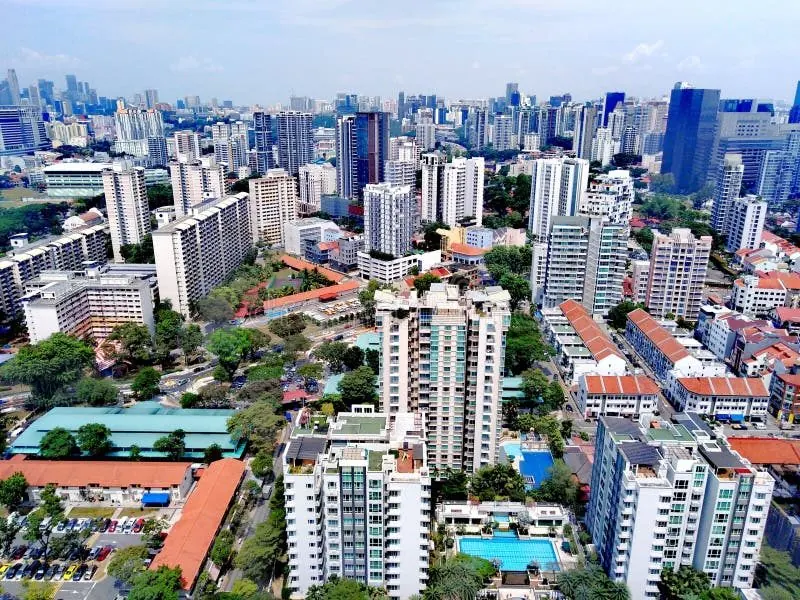
3. Quick Comparison Table
To provide a concise overview, the table below highlights the key differences between new launch and resale condominiums across several critical factors:
| Feature | New Launch Condo | Resale Condo |
|---|---|---|
| Purchase Price | Typically 10–30% premium over resale | Generally lower PSF, more transparent pricing |
| Cash Flow | Progressive payment scheme, staggered over 3–4 years | Full downpayment required upfront |
| Maintenance | Brand new, 1-year developer warranty | Older, potential for higher maintenance/renovation |
| Rental Potential | Modern facilities attract premium tenants, 2.5–4.5% yield | Established locations, 3.0–4.8% yield |
| Capital Appreciation | Potential for appreciation during construction, market timing risk | Historical appreciation patterns, transparent data |
| Move-In Timeline | 3–5 years (off-plan) | Immediate (10–12 weeks after OTP) |
| Renovation Needs | Minimal, move-in ready | Often requires significant renovation (S$60k–S$120k+) |
| Risk Profile | Construction delays, future supply, market conditions | Ageing developments, lease decay, maintenance costs |
This table provides a snapshot, but the implications of each factor are far-reaching. For instance, while new launches often carry a higher initial purchase price, the progressive payment scheme can significantly ease the immediate financial burden, allowing buyers to manage their cash flow more effectively. Conversely, resale condos, despite potentially lower PSF prices, often come with substantial renovation costs that must be factored into the overall budget. The choice between the two often boils down to a trade-off between immediate gratification and long-term planning, as well as a buyer's comfort with uncertainty versus established realities.
4. Price Comparison
When evaluating new launch versus resale condominiums, the purchase price is often the first and most significant factor buyers consider. However, a direct comparison based solely on the advertised price per square foot (PSF) can be misleading, as various hidden costs and financial implications need to be thoroughly understood.
Initial Purchase Costs and PSF Differences
New launch condos typically command a premium, often 10% to 30% higher than comparable resale units in the same area. For instance, in 2026, new launches in the Core Central Region (CCR) average S$3,208 PSF, while resale condos in the same region range from S$2,215 to S$2,800 PSF. This premium is attributed to the brand-new condition, modern facilities, and the developer's marketing efforts. While resale units might appear cheaper on a PSF basis, they often offer larger floor plans for a similar overall quantum price, potentially providing better value per dollar spent on space.
Hidden Costs and Renovation Expenses
Beyond the headline purchase price, buyers must account for several other costs:
- Buyer's Stamp Duty (BSD): This is payable for both new launch and resale properties. The rates are progressive, ranging from 1% to 5% depending on the property value. For a S$2 million property, the BSD can be substantial.
- Additional Buyer's Stamp Duty (ABSD): For Singapore Citizens purchasing a second property (e.g., HDB upgraders buying a condo before selling their HDB flat), ABSD is 20% of the purchase price. While remission is possible if the HDB flat is sold within six months of the condo's Temporary Occupation Permit (TOP) or completion, it requires paying the ABSD upfront.
- Legal Fees: Conveyancing fees typically cost around S$2,500, covering various administrative and legal processes.
- Renovation Costs: This is a significant differentiator. New launch condos are generally move-in ready, requiring minimal renovation. In contrast, resale condos, especially older ones, often necessitate substantial renovation, with costs ranging from S$60,000 to S$120,000 or more, depending on the unit's condition and the buyer's preferences. This expense can significantly increase the overall cost of a resale property.
Therefore, while a new launch might have a higher sticker price, the total outlay, including renovation, for a resale unit can sometimes be comparable or even exceed that of a new launch. Buyers must consider the complete financial picture, not just the initial purchase price, to make an accurate comparison.
Considering a new launch in 2026? Projects like Bedok Rise Residences and Hougang Central Residences offer competitive entry prices in the OCR. Speak with Jamus for a personalised price comparison tailored to your budget.
5. Financing and Cash Flow
The financing and cash flow implications are critical considerations when deciding between a new launch and a resale condominium. The payment structures and mortgage servicing requirements differ significantly, impacting a buyer's immediate and long-term financial planning.
Progressive Payment Scheme (PPS) for New Launches
As discussed, new launch condos utilize the Progressive Payment Scheme, where payments are tied to construction milestones. This means buyers only service the interest on the disbursed loan amount, which gradually increases as construction progresses. This can be a significant advantage, especially in a higher interest rate environment, as it reduces the initial mortgage burden. For example, if a project takes 3–4 years to complete, the buyer's monthly mortgage payments will be lower in the initial years and steadily increase until TOP. This allows buyers to manage their cash flow more effectively and provides a buffer to save up for larger payments later.
Upfront Payment for Resale Condos
For resale condos, the financial commitment is more immediate. Buyers typically need to secure a larger upfront payment, including the downpayment (usually 25% of the purchase price, with 5% in cash and 20% from CPF or cash), stamp duties, and legal fees. The full loan amount is disbursed shortly after the transaction's completion, meaning buyers start servicing the full mortgage immediately. This requires a stronger immediate cash position and a readiness to handle higher monthly mortgage payments from the outset.
Mortgage Servicing and CPF Usage
Both new launch and resale properties allow the use of CPF Ordinary Account (OA) funds for down payments and monthly mortgage installments. However, the timing of CPF usage differs. For new launches, CPF can be utilized progressively as payments are due. For resale, the bulk of CPF funds for the downpayment is typically used at the point of exercising the Option to Purchase. Regardless of the property type, buyers must adhere to the Total Debt Servicing Ratio (TDSR) framework, which limits total monthly debt obligations to 55% of their gross monthly income. It is crucial to use a TDSR calculator to determine the maximum loan quantum one qualifies for before committing to a purchase.
Realistic Buyer Scenarios
- Scenario 1: HDB Upgrader with limited immediate cash. A new launch might be more appealing due to the PPS, allowing them to sell their HDB flat and receive the proceeds before the larger condo payments kick in. This helps manage the cash flow transition.
- Scenario 2: Buyer with substantial savings and urgent housing needs. A resale condo might be more suitable, as they can afford the upfront costs and move in immediately, avoiding the waiting period of a new launch.
Understanding these financing differences is paramount. While the PPS of new launches offers flexibility, the immediate full mortgage servicing for resale properties demands a robust financial standing from day one. Buyers should assess their current and projected cash flow, along with their comfort level with varying payment schedules, to make an informed decision.
6. Capital Appreciation Potential
One of the primary motivations for property investment in Singapore is the potential for capital appreciation. Both new launch and resale condominiums offer avenues for value growth, but the dynamics and associated risks differ significantly.
Why Many Buyers Choose New Launches for Appreciation
New launch condos are often perceived as having higher capital appreciation potential, particularly during the construction phase. Buyers acquire units at an initial price, and as the project progresses towards completion and the surrounding infrastructure develops, the property's value can increase. This is often referred to as the "developer premium" or "first-mover advantage." Developers often price initial phases competitively, with subsequent phases seeing price increments. Additionally, new launches benefit from being brand new, which generally commands a premium in the market. However, this appreciation is largely a "paper gain" until the property is sold, and it comes with market timing risk. If the market dips during construction, selling before TOP might incur Seller's Stamp Duty (SSD).
Historical Appreciation Patterns and Risks of Chasing Appreciation
Resale condos, while not offering the same "pre-completion" appreciation, have demonstrated consistent capital growth over the long term. The median capital gain for resale condos in Singapore was S$380,000 in January 2026, indicating strong performance in the secondary market. Resale properties benefit from established locations, proven rental demand, and transparent transaction data, which allows buyers to assess historical appreciation patterns more accurately. The risk of chasing appreciation in new launches lies in speculative buying and the uncertainty of future market conditions 3–5 years down the line. Overestimating appreciation can lead to disappointment if the market does not perform as expected, especially with a large supply pipeline expected to complete in the coming years.
Balanced Analysis
Ultimately, capital appreciation is influenced by a multitude of factors, including location, surrounding infrastructure, market conditions, and the quality of the development. For buyers seeking long-term appreciation, a well-located new launch in a growth corridor — such as projects near upcoming MRT lines or integrated developments — can offer compelling prospects. Conversely, resale condos in prime or established locations with strong historical performance provide a more predictable appreciation trajectory. The 5-point New Launch Advisory Framework by Jamus Lee focuses on identifying properties with the strongest long-term appreciation fundamentals, regardless of whether they are new launches or resale.
Projects like Tanjong Rhu Grand and Dunearn House are positioned in areas with strong appreciation fundamentals. Reach out to Jamus for a detailed appreciation analysis on any project you are considering.
7. Rental Yield and Investment Potential
For investors, rental yield is a crucial metric that directly impacts the profitability of a property. Comparing new launch and resale condominiums reveals different dynamics in terms of rental income and overall investment potential.
New Launch Rental Yields
New launch condos, with their modern facilities and brand-new condition, often attract tenants willing to pay a premium. However, the rental yield percentage can sometimes be lower than resale properties due to the higher purchase price. In 2026, expected gross rental yields for new launch condos are projected as follows:
- Core Central Region (CCR): 2.5–3.2%
- Rest of Central Region (RCR): 3.0–4.0%
- Outside Central Region (OCR): 3.5–4.5%
While the absolute rental income might be high in CCR, the higher capital outlay can compress the yield. New launches in growth areas with upcoming infrastructure developments can offer substantial rental returns over the long term.
Resale Condo Rental Yields
Resale condos, particularly those in established locations with strong rental demand, often offer slightly higher rental yields due to their lower entry prices. In 2026, expected gross rental yields for resale condos are:
- Core Central Region (CCR): 3.0–3.8%
- Rest of Central Region (RCR): 3.2–4.2%
- Outside Central Region (OCR): 3.8–4.8%
Resale properties in mature estates benefit from existing amenities and transport links, making them attractive to tenants. The transparency of past rental transactions also allows investors to better gauge potential rental income.
Holding Period and Exit Strategies
- New Launch: Investors in new launches typically have a longer holding period, waiting for the project to complete and for the surrounding area to mature. Exit strategies often involve selling after TOP, hoping to capitalize on the appreciation during construction and the initial demand for new units. However, the large supply pipeline expected in the coming years could increase competition among landlords and sellers, potentially impacting rental demand and exit prices.
- Resale: Resale condos offer more flexibility in terms of holding period and exit strategies. Investors can enter and exit the market more readily, responding to market conditions. The established nature of resale developments often provides more predictable rental demand and a clearer understanding of potential resale values.
The choice between new launch and resale for investment depends on an investor's risk appetite and time horizon. New launches offer the potential for higher capital gains if market conditions are favorable during the construction period, but they come with inherent risks like construction delays and market fluctuations. Resale condos, while potentially offering slightly lower capital appreciation, provide more immediate rental income, greater liquidity, and a more predictable investment profile. A balanced investment strategy might involve considering both, depending on individual portfolio goals. For a deeper dive into 2026 market data, visit Jamus Lee's exclusive condo insights.
8. Lifestyle Comparison
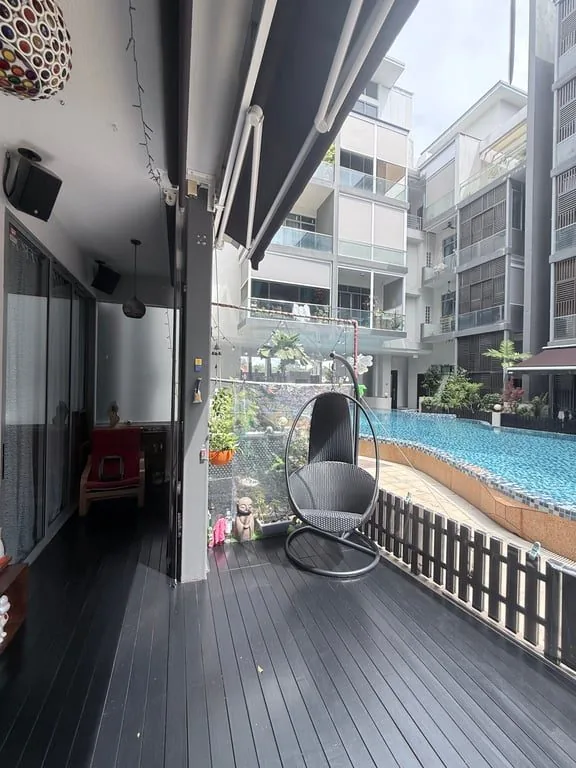
Beyond financial considerations, the choice between a new launch and a resale condominium significantly impacts a buyer's lifestyle. Each option offers a distinct living experience, shaped by factors such as modernity, space, and community maturity.
New Launch Advantages
- Modern Facilities: New launch condos boast state-of-the-art facilities, often including smart home features, advanced security systems, and contemporary recreational amenities like infinity pools, co-working spaces, and themed gardens. These facilities are designed to cater to modern lifestyles and are typically well-maintained and brand new upon move-in. For example, many new developments now integrate sustainable features and offer concierge services, enhancing the living experience.
- New Layouts: Developers of new launches often incorporate efficient and innovative layouts that maximize space utilization and cater to current design trends. These layouts might feature open-concept living areas, compact yet functional kitchens, and balconies designed for urban living. Buyers get to enjoy a fresh aesthetic and the latest in architectural design.
- New Infrastructure: New launch projects, especially those in developing areas, often benefit from new or upgraded surrounding infrastructure. This can include new MRT lines, integrated commercial hubs, schools, and parks, which contribute to the convenience and vibrancy of the neighborhood. An example would be a new condo launch in a previously undeveloped area that now has direct access to a new shopping mall and public transport interchange.
Resale Advantages
- Larger Units: One of the most compelling advantages of resale condos, particularly older ones, is the generally larger unit sizes. Older developments often feature more generous living spaces, bigger bedrooms, and enclosed kitchens, which can be a significant draw for families or those who prefer more expansive interiors. For instance, a 1,200 sq ft resale unit might offer three spacious bedrooms, whereas a new launch of the same size might feel more compact.
- Mature Estates: Resale condos are typically located in mature estates with established amenities and a strong sense of community. This means immediate access to a wide array of F&B options, local markets, hawker centers, clinics, and community centers. The convenience of having everything within easy reach, coupled with a familiar neighborhood vibe, is a major plus for many buyers.
- Established Amenities: While new launches offer modern facilities, resale condos in mature estates benefit from established amenities that have stood the test of time. These could include well-regarded schools, reputable hospitals, and extensive public transport networks that have been in operation for years. Buyers can physically inspect these amenities and assess their quality and accessibility before committing to a purchase.
A young couple prioritizing modern design and smart home features might lean towards a new launch, even if it means a smaller living space. Conversely, a growing family needing more room and valuing proximity to established schools and amenities might find a resale condo in a mature estate more appealing, despite the potential need for renovations. The lifestyle choice ultimately reflects personal priorities and what aspects of home living are most valued.

9. Risk Comparison
Every property investment carries inherent risks, and the choice between a new launch and a resale condominium involves navigating different sets of potential pitfalls. Understanding these risks is crucial for making a prudent decision.
New Launch Risks
- Construction Delays: One of the most common risks associated with new launches is construction delays. Factors such as labor shortages, material supply chain disruptions, or unforeseen site conditions can push back the Temporary Occupation Permit (TOP) date. This can be problematic for buyers who have planned their move-in date or need to sell their existing property by a certain time. While developers typically have contractual obligations, delays can still cause significant inconvenience and financial strain.
- Future Supply: Singapore's property market is influenced by the Government Land Sales (GLS) program, which dictates the supply of new land parcels for development. A large future supply pipeline, such as the estimated 55,800 private residential units expected to be completed in the coming years, can lead to increased competition among sellers and landlords. This might impact capital appreciation and rental yields, especially if demand does not keep pace with supply.
- Market Conditions: Buyers of new launches are making a forward bet on market conditions 3–5 years into the future. If the market experiences a downturn during the construction period, the property's value at TOP might be lower than anticipated, leading to potential paper losses or difficulty in selling. The inability to sell easily without incurring Seller's Stamp Duty (SSD) within the first few years further compounds this market timing risk.
Resale Risks
- Ageing Developments: Resale condos, particularly older ones, face the risk of ageing developments. This can manifest as wear and tear on common facilities, outdated designs, and higher maintenance costs as the building infrastructure ages. While some older developments are well-maintained, others might require significant capital expenditure for upgrades, which can be passed on to residents through higher maintenance fees.
- Maintenance Costs: As properties age, maintenance costs tend to increase. This includes repairs to common areas, upgrading of facilities, and general upkeep. Buyers of resale condos should factor in potentially higher monthly maintenance fees compared to newer developments, where facilities are brand new and covered by developer warranties.
- Lease Considerations: The majority of condominiums in Singapore are 99-year leasehold properties. For older resale condos, the remaining lease term can be a significant consideration. As the lease shortens, the property's value may depreciate, and it can become more challenging to secure bank loans or attract buyers. While lease decay is a long-term issue, it's a factor that buyers of older resale properties must be aware of.
A buyer of a new launch might face the frustration of a 6-month construction delay, forcing them to extend their rental agreement or find temporary accommodation. Conversely, a buyer of a 30-year-old resale condo might discover that the swimming pool requires a major overhaul, leading to a special assessment fee that significantly impacts their budget. Both scenarios highlight the importance of understanding and mitigating these distinct risks.

10. Which Option Is Better for HDB Upgraders?
HDB upgraders form a significant segment of the private property market in Singapore, driven by aspirations for larger living spaces, enhanced facilities, and potential capital appreciation. The decision between a new launch and a resale condo for this group is often complex, influenced by factors such as affordability, family needs, and future plans.
Affordability
- New Launch: The Progressive Payment Scheme (PPS) of new launches can be particularly attractive to HDB upgraders. It allows them to manage their cash flow more effectively, as they can sell their HDB flat and receive the proceeds before the larger payments for the new condo are due. This staggered payment structure can alleviate the immediate financial burden and reduce the need for a large bridging loan. However, HDB upgraders must be mindful of the Additional Buyer's Stamp Duty (ABSD) if they purchase the new launch before selling their HDB flat. While remission is possible for Singapore Citizens who sell their HDB within six months of the new condo's TOP, the upfront payment of ABSD can be a significant hurdle.
- Resale Condo: Resale condos require a more substantial upfront payment, which can be challenging for HDB upgraders who rely on the sale proceeds of their HDB flat. However, the immediate occupancy of a resale unit means they can move in quickly after selling their HDB, avoiding the need for temporary accommodation. The transparent pricing of resale units also allows for clearer financial planning.
Family Needs
- New Launch: New launches offer modern facilities and layouts that cater to contemporary family lifestyles. These often include dedicated children's play areas, family-friendly pools, and smart home features. However, unit sizes in new launches tend to be smaller compared to older resale condos, which might be a compromise for growing families needing more space.
- Resale Condo: Resale condos, especially older ones, often boast larger unit sizes, providing ample space for families. They are typically located in mature estates with established schools, parks, and amenities, which are crucial considerations for families with children. The ability to physically inspect the unit and its surroundings also allows families to assess its suitability for their specific needs.
Future Plans
- New Launch: HDB upgraders choosing a new launch are making a long-term commitment, often waiting 3–5 years for completion. This aligns with future-oriented plans, such as anticipating career growth or children reaching school-going age. The potential for capital appreciation as the project matures can also be a significant draw for long-term wealth building.
- Resale Condo: Resale condos offer immediate gratification and flexibility. For upgraders who need to move quickly or prefer a more immediate return on their investment through rental income, resale can be a better fit. The established nature of the development also provides more certainty regarding future amenities and community development.
The better choice for HDB upgraders depends on their financial readiness and family priorities. Those with sufficient cash reserves to cover upfront costs and a need for immediate space might lean towards resale. Those who prefer a staggered payment plan, value modern amenities, and are comfortable with a longer waiting period might find new launches more appealing. It is crucial for HDB upgraders to carefully assess their financial situation, including their ability to manage ABSD and potential bridging loans, before making a decision. For HDB upgraders exploring new launches in the OCR, Hougang Central Residences and Chencharu Grand (Chencharu Close GLS) are worth considering.
Navigating the ABSD and PPS as an HDB upgrader can be complex. Schedule a free consultation with Jamus to map out the most financially efficient upgrade path for your situation.

11. Which Option Is Better for First-Time Buyers?
First-time private condo buyers in Singapore face a unique set of challenges and opportunities. Their decision between a new launch and a resale unit is often influenced by their financial capacity, immediate housing needs, and long-term aspirations. A structured decision framework can help navigate this crucial choice.
Decision Framework for First-Time Buyers
-
Financial Readiness and Cash Flow:
- New Launch: The Progressive Payment Scheme (PPS) can be highly advantageous for first-time buyers who may not have substantial upfront cash reserves. The staggered payments allow them to accumulate savings or manage their finances more gradually over the construction period. However, they must be prepared for the eventual increase in mortgage payments as the project nears completion.
- Resale Condo: Requires a larger upfront cash outlay for the downpayment, stamp duties, and legal fees. While this can be a barrier for some, those with sufficient savings can benefit from immediate ownership and the ability to lock in their mortgage payments from the start. The transparency of resale pricing also helps in budgeting.
-
Immediate vs. Future Housing Needs:
- New Launch: Ideal for first-time buyers who are not in a hurry to move in and are comfortable waiting 3–5 years for their home to be built. This option suits those who might still be living with family or renting on a short-term basis. They value the brand-new condition and modern facilities that come with a new development.
- Resale Condo: Perfect for first-time buyers who need immediate occupancy. This is often the case for those moving out of rented accommodation, seeking independence, or starting a family. The ability to physically inspect the unit and move in quickly provides certainty and avoids the waiting period associated with new launches.
-
Renovation Preferences and Budget:
- New Launch: Generally move-in ready, requiring minimal renovation. This can be a significant cost-saving for first-time buyers who may have limited renovation budgets. They can personalize the space gradually over time.
- Resale Condo: Often requires renovation, which can be a substantial additional cost (S$60,000 to S$120,000+). First-time buyers must factor this into their overall budget and be prepared for the time and effort involved in renovation. However, it also offers the opportunity to customize the home to their exact preferences.
-
Risk Tolerance:
- New Launch: Involves risks such as construction delays and market fluctuations during the waiting period. First-time buyers must be comfortable with these uncertainties and have a stable financial outlook for the next few years.
- Resale Condo: Offers more certainty, as buyers can assess the physical condition, location, and immediate market value. The risks are more related to the property's age, maintenance, and lease decay, which can be evaluated upfront.
For first-time buyers prioritizing lower upfront costs and a gradual payment structure, a new launch might be more suitable, provided they are comfortable with the waiting period. Conversely, those with sufficient savings who desire immediate occupancy, larger living spaces, and the ability to customize their home might find a resale condo a better fit. It is essential for first-time buyers to conduct a thorough financial assessment and prioritize their immediate and long-term needs before making a decision.
12. Which Option Is Better for Investors?
For property investors, the decision between a new launch and a resale condominium is driven by a different set of objectives, primarily focused on maximizing capital growth, optimizing rental strategies, and ensuring viable exit opportunities. Both options present distinct investment profiles.
Capital Growth
- New Launch: Many investors are drawn to new launches for the potential of significant capital appreciation during the construction phase. The idea is to enter at a lower, pre-completion price and benefit from the "developer premium" as the project nears TOP and the surrounding infrastructure matures. However, this strategy carries market timing risk; if the market softens during the 3–5 year construction period, the expected gains might not materialize, and selling prematurely could incur Seller's Stamp Duty (SSD).
- Resale Condo: Resale condos offer a more predictable capital growth trajectory based on historical data and established market values. While they may not offer the same speculative upside as a new launch, their appreciation is often more stable and less susceptible to construction-related uncertainties. Investors can analyze past transaction data for similar units in the area to project potential capital gains more accurately.
Rental Strategies
- New Launch: New launches, with their modern facilities and brand-new condition, can attract premium tenants willing to pay higher rents. However, investors must factor in the waiting period until TOP, during which no rental income is generated. The rental yield percentage might also be slightly lower due to the higher initial purchase price compared to resale units. The large supply pipeline in 2026 could also lead to increased competition for tenants upon completion.
- Resale Condo: Resale condos often provide immediate rental income, which is a significant advantage for investors seeking cash flow. Properties in mature estates benefit from established rental demand and amenities, leading to more consistent occupancy rates. While the units might be older, they often offer larger floor plans, which can be attractive to certain tenant segments. Resale condos generally offer slightly higher rental yields due to their lower entry prices.
Exit Opportunities
- New Launch: Exit opportunities for new launches typically align with the TOP date, where investors can sell to owner-occupiers or other investors looking for a brand-new unit. However, if a large number of units in the same development or nearby projects are also put up for sale around the same time, it could create an oversupply, impacting resale prices. The SSD also restricts early exit strategies.
- Resale Condo: Resale condos offer greater liquidity and more flexible exit strategies. Investors can sell at any time, responding to market conditions or personal financial goals, without being tied to a construction timeline or SSD restrictions (after the holding period). The established nature of the development and transparent transaction data can also make it easier to find a buyer.
For investors prioritizing immediate cash flow and predictable returns, a well-located resale condo with a strong rental history might be the better choice. For those with a higher risk tolerance, a longer investment horizon, and a belief in the future growth of a specific area, a new launch could offer greater capital appreciation potential. It is crucial for investors to conduct thorough due diligence, analyze market trends, and consider their individual financial goals and risk appetite. Explore the asset progression framework to understand how to structure your property portfolio for maximum returns.
13. Case Studies
Case Study 1: Young Couple
Scenario: Sarah and Mark, both 28, are a young professional couple earning a combined income of S$12,000 per month. They are currently renting and looking to purchase their first private condominium. They have saved S$200,000 for a downpayment and value modern amenities and a vibrant lifestyle. They are not in a rush to move in immediately and are open to waiting for a few years.
Recommendation: New Launch Condo
For Sarah and Mark, a new launch condo presents a more suitable option due to several factors:
- Progressive Payment Scheme: With a S$200,000 downpayment, the PPS of a new launch allows them to manage their cash flow effectively. They can commit to a property now and continue saving during the 3–4 year construction period, easing the financial burden of a large upfront payment. This also provides them with time for their careers to progress, potentially increasing their income and borrowing capacity.
- Modern Amenities and Design: As young professionals, they value modern facilities, smart home features, and contemporary designs often found in new launches. These developments typically offer a vibrant community and lifestyle amenities that align with their preferences.
- Long-Term Growth Potential: While they are not primarily investors, the potential for capital appreciation as the project nears completion and the surrounding area develops is an attractive bonus for their first property. Since they are not in a rush to move in, the waiting period is not a significant drawback.
- Minimal Renovation: With limited initial capital beyond the downpayment, the move-in ready nature of a new launch means they can avoid substantial renovation costs, allowing them to allocate their savings to other priorities.
Consideration: They should carefully assess the location of the new launch to ensure it aligns with their future work and lifestyle needs, and be comfortable with the inherent risks of construction delays and market fluctuations during the waiting period.
Case Study 2: Family Upgrader
Scenario: David and Emily, both in their late 30s, are HDB upgraders with two young children. They currently live in a 4-room HDB flat and are looking for a larger private condominium to accommodate their growing family. They prioritize space, proximity to good schools, and established amenities. They need to move within the next 6–12 months after selling their HDB flat.
Recommendation: Resale Condo
For David and Emily, a resale condo is likely the more practical and suitable choice:
- Immediate Occupancy and Space: Their primary need is more space and a quicker move-in timeline after selling their HDB. A resale condo allows them to move in within a few months, avoiding the 3–5 year waiting period of a new launch. Older resale condos typically offer larger unit sizes, which is crucial for a family with children.
- Established Amenities and Schools: Resale condos are often located in mature estates with established amenities, including reputable schools, parks, and childcare facilities. This aligns perfectly with their priority of proximity to good schools and a family-friendly environment. They can physically assess the neighborhood and its offerings before committing.
- Price Transparency and Negotiation: While they may need to budget for renovations, the transparent pricing of resale units allows them to negotiate based on recent transaction data, potentially securing better value per square foot. This helps them manage their budget more effectively, especially after factoring in the sale proceeds from their HDB flat.
- Avoiding ABSD and Bridging Loan: By selling their HDB first and then purchasing a resale condo, they can potentially avoid paying the Additional Buyer's Stamp Duty (ABSD) upfront and the need for a bridging loan, simplifying their financial transition.
Consideration: They should allocate a realistic budget for renovations, as older resale units may require significant upgrades to meet their aesthetic and functional preferences. They should also carefully inspect the unit for any potential maintenance issues.
Case Study 3: Property Investor
Scenario: Mr. Tan, a 45-year-old seasoned investor, is looking to purchase a second private property purely for investment purposes. He has a substantial cash reserve and is focused on maximizing rental yield and long-term capital appreciation. He is comfortable with market risks but prefers properties with established rental demand and clear exit strategies.
Recommendation: Resale Condo (with careful selection)
For Mr. Tan, a resale condo, particularly one in a well-established RCR or OCR location, offers a more compelling investment proposition:
- Immediate Rental Income and Higher Yields: A key advantage of resale condos for an investor like Mr. Tan is the immediate rental income. He can start generating returns from day one, which is crucial for cash flow. Resale condos generally offer slightly higher rental yields compared to new launches due to their lower entry prices, especially in regions like RCR and OCR.
- Established Rental Demand: Resale properties in mature estates come with a proven track record of rental demand. Mr. Tan can analyze historical rental data and occupancy rates to make a more informed decision about the property's income potential, reducing the uncertainty associated with new launches.
- Price Transparency and Value: The transparent pricing of resale units allows Mr. Tan to assess the property's fair market value based on recent transactions. He can negotiate for a better price per square foot, potentially acquiring a larger unit for the same investment quantum, which can be attractive to tenants.
- Flexible Exit Strategies: Resale condos offer greater liquidity and flexibility in exit strategies. Mr. Tan is not tied to a construction timeline and can sell the property when market conditions are most favorable, without the restrictions of Seller's Stamp Duty (SSD) after the holding period.
Consideration: While new launches might offer the allure of significant capital appreciation during construction, the inherent market timing risk and the waiting period for rental income might not align with Mr. Tan's focus on immediate yield and predictable returns. If he were to consider a new launch, it would need to be in a highly sought-after growth area with strong future prospects, and he would need to be comfortable with a longer investment horizon without immediate rental returns.
14. Decision Matrix
To further assist buyers in making an informed decision, the following decision matrix provides a practical framework, matching common buyer preferences and objectives with the recommended property option. This matrix distills the key trade-offs and benefits discussed throughout this guide.
| If Buyer Wants... | Recommended Option |
|---|---|
| Immediate Move-In | Resale |
| Maximum Growth Potential (long-term, speculative) | New Launch |
| Large Unit Size | Resale |
| Lowest Renovation Risk | New Launch |
| Strong Rental Yield (immediate cash flow) | Resale |
| Modern Facilities & Smart Home Features | New Launch |
| Established Amenities & Mature Community | Resale |
| Progressive Payment Scheme | New Launch |
| Price Transparency & Negotiation Leverage | Resale |
| Developer Warranty & Brand New Condition | New Launch |
| Avoid ABSD (by selling HDB first) | Resale |
| Flexibility in Exit Strategy | Resale |
This decision matrix serves as a quick reference, but it is important to remember that individual circumstances are unique. For example, while a new launch generally offers the lowest renovation risk, a buyer might find a well-maintained resale unit that requires minimal upgrades. Similarly, while resale often provides stronger immediate rental yields, a new launch in a rapidly developing area could offer superior long-term capital appreciation that outweighs initial rental income. The matrix highlights general tendencies, and buyers should use it as a starting point for deeper self-reflection and consultation with property professionals.
15. Common Mistakes Buyers Make
Navigating the Singapore property market can be complex, and both first-time buyers and seasoned investors can fall prey to common pitfalls when deciding between new launch and resale condominiums. Avoiding these mistakes is crucial for a successful and financially sound property purchase.
- Focusing Only on PSF (Price Per Square Foot): Many buyers make the mistake of fixating solely on the PSF without considering the total quantum price, unit size, and overall value. While a new launch might have a higher PSF, it could come with a smaller, more efficient layout. Conversely, a resale unit with a lower PSF might offer a significantly larger living space, providing better value for money, even with renovation costs. It's essential to look at the total cost and what you are getting for it, rather than just a single metric.
- Ignoring Cash Flow and Hidden Costs: Buyers often overlook the complete financial picture beyond the downpayment. For new launches, the progressive payment scheme can mask the eventual full mortgage burden. For resale, the significant renovation costs (S$60,000 to S$120,000+) are frequently underestimated. Additionally, stamp duties (BSD, ABSD), legal fees, and ongoing maintenance costs must be factored into the budget. Failing to account for these can lead to financial strain down the line.
- Chasing Hype and Overestimating Appreciation: The allure of quick capital gains from new launches can lead to speculative buying, where buyers chase projects based on hype rather than fundamental analysis. Overestimating future appreciation, especially in a market with a large supply pipeline, can lead to disappointment. It's crucial to base investment decisions on realistic projections and sound market analysis rather than marketing materials or anecdotal success stories.
- Neglecting Lifestyle Needs and Long-Term Goals: Some buyers prioritize investment potential over their actual lifestyle needs, or vice versa. A family needing more space might compromise on a smaller new launch unit for perceived appreciation, only to find it impractical for daily living. Conversely, an investor might choose a resale unit for immediate rental yield but neglect its long-term capital growth potential. The best choice balances personal needs with financial objectives.
- Failing to Conduct Thorough Due Diligence: This includes not physically inspecting resale units for potential defects, not understanding the lease decay implications of older properties, or not researching the developer's track record for new launches. For new launches, buyers should also research the surrounding master plan to understand future developments and their impact on the property. Comprehensive research helps uncover potential issues before they become costly problems.
To avoid these common mistakes, buyers should engage with experienced property consultants, conduct thorough financial planning, and perform extensive research. Prioritize understanding your personal objectives, risk tolerance, and financial capacity before being swayed by market sentiment or superficial comparisons. Always seek professional advice on legal and financial matters.
Further reading: If a new launch is your route, start with the 5-point framework I use to evaluate launches and a live example in the Lucerne Grand D22 analysis; if you are selling first, follow the step-by-step HDB selling guide. If the property you already own is the older half of this comparison, the more useful question is which phase of its life cycle it has reached, since that decides how much of the market's growth it is still capturing.
16. Frequently Asked Questions
1. Is a new launch always better than a resale condo?
No, there is no universally better option. The ideal choice depends entirely on your individual objectives, financial situation, risk tolerance, and time horizon. New launches offer modern features and progressive payments, while resale condos provide immediate occupancy and often larger spaces.
2. Are resale condos cheaper than new launches?
Resale condos generally have a lower price per square foot (PSF) compared to new launches. However, new launches often come with minimal renovation needs, whereas resale units might require significant renovation costs (S$60,000 to S$120,000+), which can narrow the overall cost difference.
3. Which option has better capital appreciation potential?
New launches offer potential for capital appreciation during the construction phase, especially in growth areas. Resale condos, based on historical data, provide more stable and predictable long-term capital growth. Both carry risks, and actual appreciation depends on market conditions and location.
4. Which option is better for families?
For families prioritizing larger living spaces and established amenities like schools and parks, resale condos in mature estates are often more suitable. New launches offer modern facilities but typically have smaller unit sizes.
5. Which option is better for investors?
Investors seeking immediate rental income and predictable yields might prefer resale condos. Those with a longer investment horizon and higher risk tolerance, aiming for potential capital gains from a new development, might consider new launches.
6. What is the Progressive Payment Scheme (PPS)?
The PPS is a payment structure for new launch condos where buyers pay in stages according to construction milestones. This eases the immediate financial burden compared to the upfront payment required for resale properties.
7. Do I need to pay ABSD if I am an HDB upgrader?
If you purchase a private condo before selling your HDB flat, you will need to pay Additional Buyer's Stamp Duty (ABSD) upfront. Singapore Citizens can apply for remission if they sell their HDB within six months of the condo's TOP (for new launches) or completion (for resale).
8. How long do I have to wait to move into a new launch condo?
Typically, new launch condos take 3 to 5 years from the launch date to obtain Temporary Occupation Permit (TOP), after which you can move in.
9. Can I use my CPF for both new launch and resale condos?
Yes, CPF Ordinary Account (OA) funds can be used for downpayments and monthly mortgage installments for both types of properties. The timing of usage differs due to their respective payment schemes.
10. What are the main risks of buying a new launch condo?
Key risks include construction delays, uncertainty of future market conditions impacting value at TOP, and potential oversupply from a large pipeline of new units.
11. What are the main risks of buying a resale condo?
Risks for resale condos include ageing developments, potentially higher maintenance costs, and lease decay for older leasehold properties.
12. How much should I budget for renovation for a resale condo?
Renovation costs for a resale condo can range from S$60,000 to S$120,000 or more, depending on the unit's condition and the extent of desired upgrades.
13. Is 2026 a good time to buy property in Singapore?
The market in 2026 shows stable price growth, particularly in the OCR, with supportive financing conditions. However, a large supply pipeline and macroeconomic uncertainties suggest careful consideration is needed. The 'best' time depends on individual circumstances.
14. How does the TDSR affect my purchase?
The Total Debt Servicing Ratio (TDSR) limits your total monthly debt obligations to 55% of your gross monthly income. This determines the maximum loan quantum you can qualify for, regardless of whether you choose a new launch or resale condo.
15. What should I do before making a decision?
It is crucial to conduct thorough financial planning, assess your personal objectives and risk tolerance, and seek advice from experienced property consultants and mortgage brokers. Do not rely solely on market hype.
17. My View: Which Would I Choose Today?
As an experienced Singapore property consultant, I often get asked, "Which would you choose: a new launch or a resale condo?" My answer consistently remains: the better choice depends entirely on the buyer's objectives, financial situation, timeline, and risk profile. There is no one-size-fits-all solution in Singapore's diverse property market. However, I can offer my perspective based on different buyer archetypes, emphasizing the rationale behind each recommendation.
For Families (especially HDB Upgraders)
If I were a family looking to upgrade from an HDB flat with young children, my inclination would strongly lean towards a resale condominium in a mature estate. My primary reasons are the immediate need for space and established amenities. Older resale units typically offer more generous floor plans, which are invaluable for a growing family. The ability to move in quickly after selling the HDB flat, without the uncertainty of construction delays, provides peace of mind. Furthermore, mature estates offer a wealth of established schools, parks, and community facilities that are crucial for family life. While I would budget carefully for renovations, the ability to customize the space to my family's exact needs, combined with the transparency of resale pricing, would outweigh the allure of a brand-new unit with potentially smaller living areas.
For First-Time Buyers (Young Professionals)
For a young, first-time buyer couple like Sarah and Mark in our case study, with stable incomes but perhaps limited immediate cash reserves, a new launch condominium would be a compelling option. The Progressive Payment Scheme is a significant advantage, allowing them to enter the private property market without a massive upfront financial strain. The modern facilities, efficient layouts, and fresh aesthetic of a new launch align well with a contemporary lifestyle. The waiting period for completion would be acceptable, as it provides time for further savings and career progression. The potential for capital appreciation as the project matures would also be an attractive long-term benefit, setting a strong foundation for their property journey. Projects like Telok Blangah Residences offer first-time buyers access to well-connected, centrally located new launches.
For Investors (focused on yield and stability)
For a seasoned investor like Mr. Tan, whose primary goal is maximizing rental yield and ensuring predictable returns, I would generally recommend a carefully selected resale condominium. The immediate rental income and often higher rental yields of resale properties are critical for cash flow. Furthermore, the established rental demand and transparent transaction history in mature estates provide a clearer picture of investment viability. While new launches can offer speculative capital gains, the inherent risks of construction delays, market fluctuations during the waiting period, and potential oversupply upon TOP might not align with an investor prioritizing stability and consistent returns. A well-located resale unit offers greater liquidity and more flexible exit strategies, which are crucial for managing an investment portfolio effectively.
In essence, my choice would always be guided by a deep understanding of the individual's specific circumstances. The Singapore property market is nuanced, and what constitutes the 'better' choice is a deeply personal and strategic decision. For a personalized assessment, explore the JamusProperty.com homepage or reach out directly for a consultation.
18. Conclusion
The decision between purchasing a new launch or a resale condominium in Singapore is a multifaceted one, devoid of a single correct answer. This guide has explored the intricate layers of this choice, from financial implications and investment potential to lifestyle considerations and inherent risks. The core takeaway remains consistent: the optimal choice is deeply personal and contingent upon your unique objectives, financial capacity, risk appetite, and time horizon.
We have highlighted the key trade-offs: the modern appeal, progressive payment structure, and potential for pre-completion appreciation of new launches versus the immediate occupancy, larger spaces, established amenities, and transparent pricing of resale condos. The decision matrix and case studies further illustrate how different buyer profiles — from young first-time buyers to HDB upgraders and seasoned investors — will find varying degrees of suitability in each option.
For practical next steps, prospective buyers should:
- Conduct a thorough financial assessment: Understand your budget, cash flow, and loan eligibility, factoring in all hidden costs like stamp duties and potential renovation expenses.
- Define your priorities: Clearly articulate your needs regarding move-in timeline, space requirements, desired amenities, and investment goals.
- Research extensively: Delve into specific projects or neighborhoods, examining market trends, future developments, and historical data. Resources like the complete guide to upcoming condo launches and exclusive market insights are invaluable starting points.
- Seek professional advice: Engage with trusted property consultants and mortgage advisors to gain personalized insights and navigate the complexities of the market.
Ultimately, a well-informed decision is one that aligns with your personal circumstances and long-term aspirations, rather than being swayed by market sentiment or generalized advice. By carefully weighing the factors discussed, you can confidently choose the property that best serves your journey in Singapore's dynamic real estate landscape.

Whether you are leaning towards a new launch or a resale condo, Jamus Lee can provide a data-driven, objective analysis tailored to your situation. Schedule your free property strategy session today and take the first step towards a confident property decision in 2026.
Disclaimer: This article is provided for informational purposes only and should not be construed as financial advice, investment advice, or a recommendation to buy or sell any property. Property investment carries inherent risks, and past performance does not guarantee future results. Always consult with qualified professionals, including financial advisors, legal counsel, and property agents, before making any property investment decisions. Jamus Lee and JamusProperty.com are not liable for any direct or indirect losses resulting from the use of information on this website.