1. What is a GLS Site?
In Singapore's dynamic property landscape, Government Land Sales (GLS) sites are pivotal to the supply of new private residential developments. These are parcels of state-owned land released by the government for sale to private property developers through a public tender process. The primary objective of the GLS Programme is to ensure a steady supply of land to meet housing and economic needs, thereby maintaining market stability and affordability. For developers, securing a GLS site is the crucial first step in bringing a new condominium project to life.
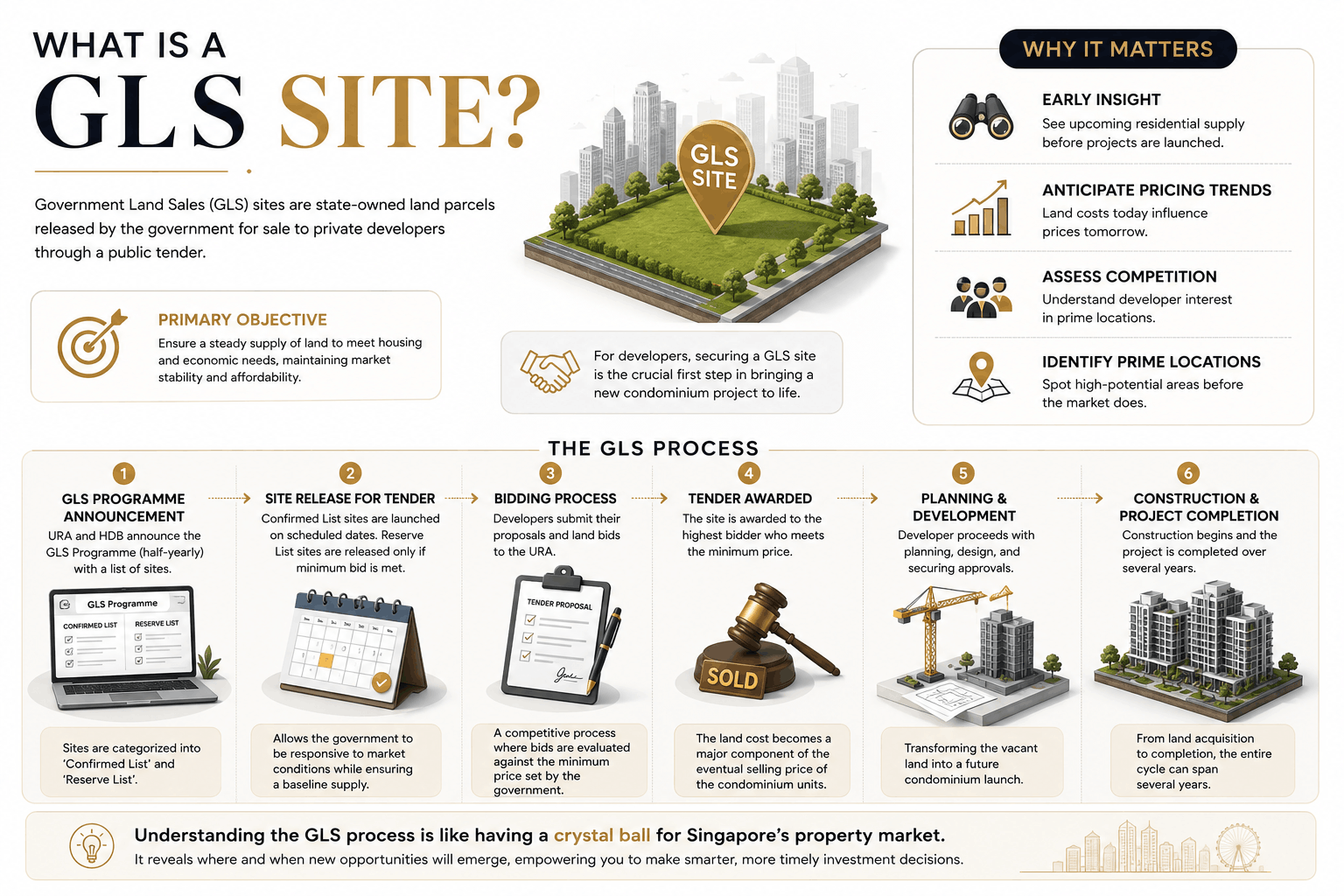
The process begins with the Urban Redevelopment Authority (URA) and Housing & Development Board (HDB) announcing the GLS Programme, typically on a half-yearly basis. This programme outlines a list of sites available for tender, categorized into 'Confirmed List' and 'Reserve List'. Confirmed List sites are launched for tender on scheduled dates regardless of demand, providing certainty to developers. Reserve List sites, conversely, are only released for tender if a developer submits an acceptable minimum bid, indicating market interest. This dual-list approach allows the government to be responsive to market conditions while ensuring a baseline supply.
Developers participate in a competitive bidding process, submitting their proposals and land bids to the URA. The tender is usually awarded to the highest bidder, provided their bid meets the minimum price set by the government. This land cost forms a significant component of the eventual selling price of the condominium units. Once a developer successfully acquires a GLS site, they proceed with planning, design, and construction, transforming the vacant land into a future condominium launch. This entire cycle, from land acquisition to project completion, can span several years.
For prospective homebuyers and investors, monitoring GLS sites offers a strategic advantage. By tracking which sites are released, who bids for them, and at what price, buyers gain early insights into upcoming residential supply in specific areas. This foresight allows them to anticipate future pricing trends, assess potential competition, and identify prime locations before projects are officially launched to the public. Understanding the GLS process is akin to having a crystal ball for Singapore's property market, enabling more informed and timely investment decisions. It provides a foundational understanding of where and when new opportunities will emerge, making it an indispensable tool for serious property enthusiasts.
2. Why GLS Sites Matter
Government Land Sales (GLS) sites serve as the foundational blueprints for Singapore's future residential landscape. Their significance lies in their ability to dictate land costs, which directly influence the eventual selling price of new launches. Furthermore, GLS tenders reveal developer confidence and market demand in specific districts. By aligning with the URA Master Plan, these sites often catalyze infrastructure growth, making them critical benchmarks for both current valuations and long-term capital appreciation prospects.
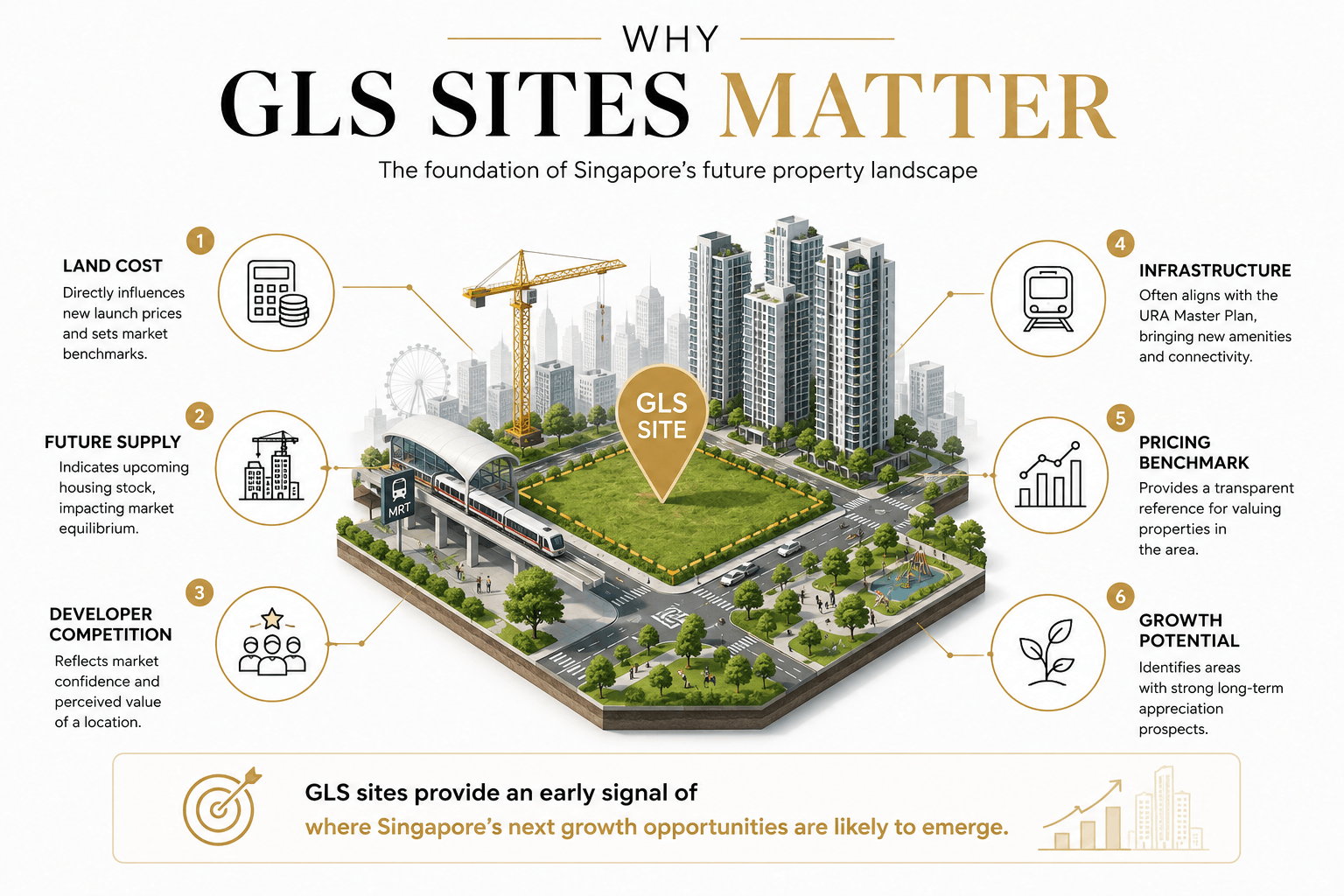
Firstly, the land cost incurred by developers during the GLS tender directly impacts the eventual selling price of new condominium units. A higher land bid often translates to higher launch prices, setting a benchmark for the entire district. Secondly, GLS sites dictate the future supply pipeline of new homes. The number and location of sites released signal the government's strategy to manage housing demand and supply, affecting market equilibrium for years to come. Thirdly, the intensity of developer competition for these sites reflects market confidence and perceived growth potential in specific areas. Strong bidding interest can indicate a bullish outlook for a particular locale.
Furthermore, GLS sites are often strategically located to align with the URA Master Plan, bringing new infrastructure and amenities to surrounding areas. This planned development can significantly enhance the liveability and value of a neighbourhood. The prices achieved at GLS tenders also serve as a crucial pricing benchmark for both new launches and resale properties in the vicinity, providing a transparent reference point for valuation. Lastly, the strategic allocation and development of GLS sites contribute to the long-term appreciation of property values, especially in areas earmarked for growth and transformation. For buyers, monitoring these sites offers an unparalleled opportunity to identify areas with strong future growth potential.
3. Featured GLS Site Analysis
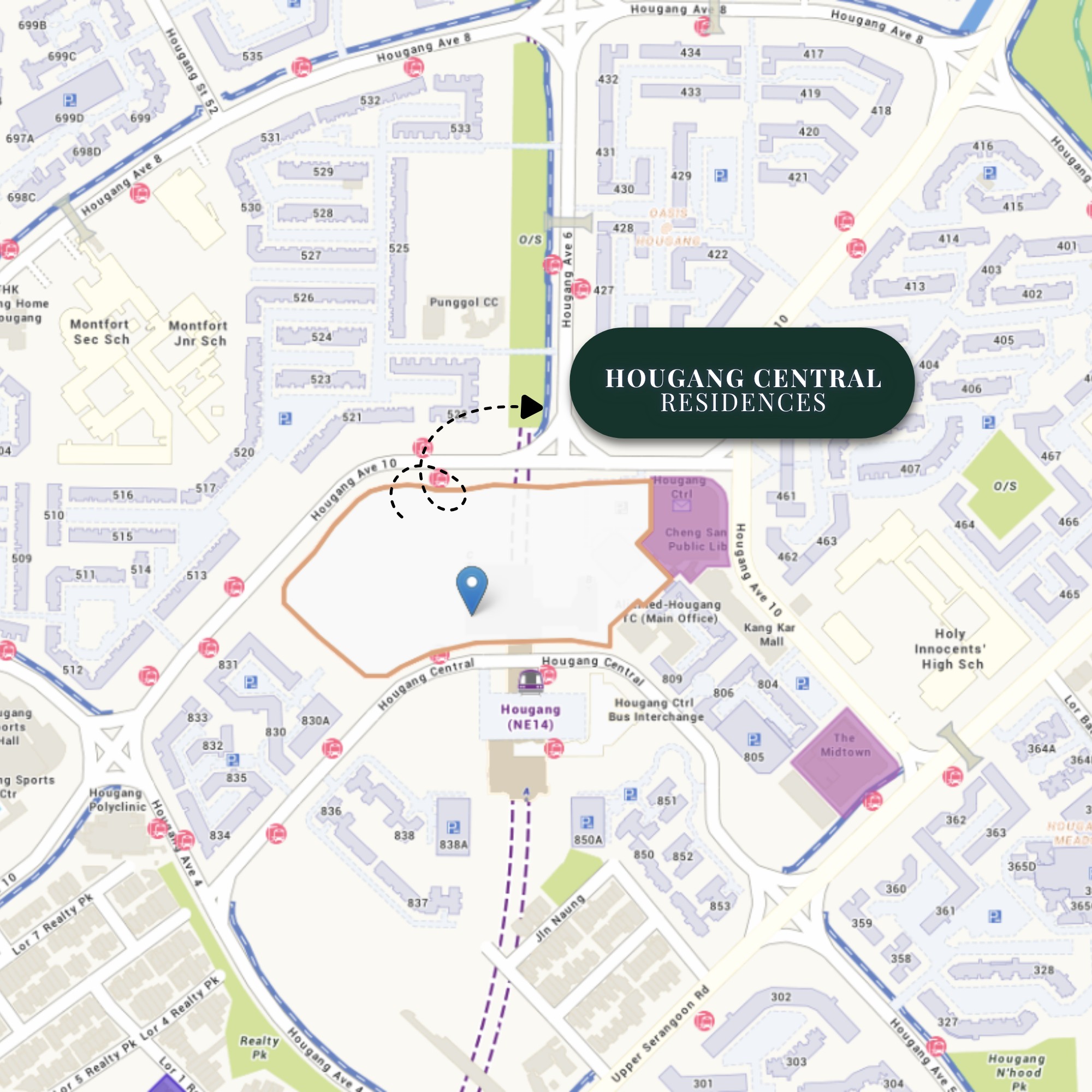
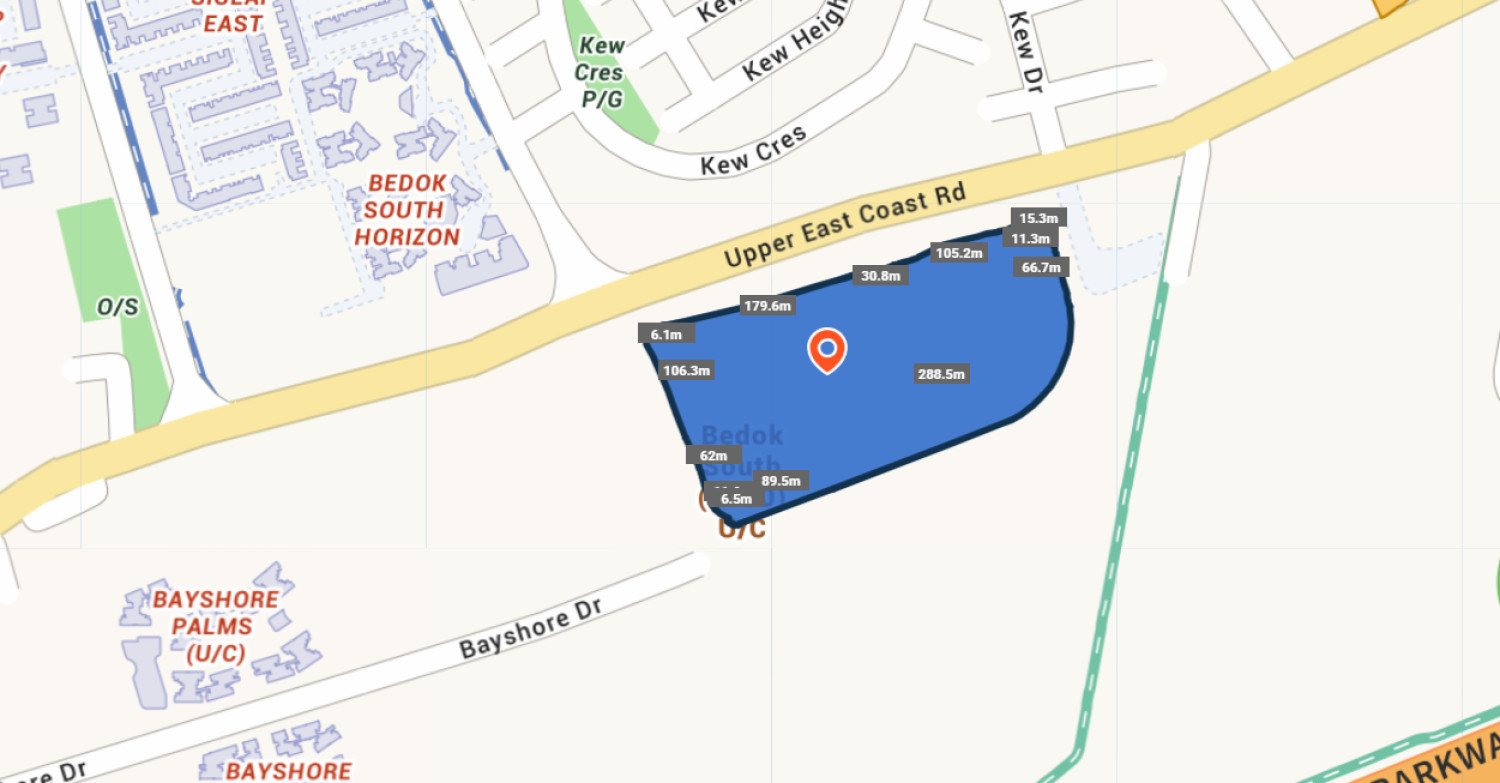
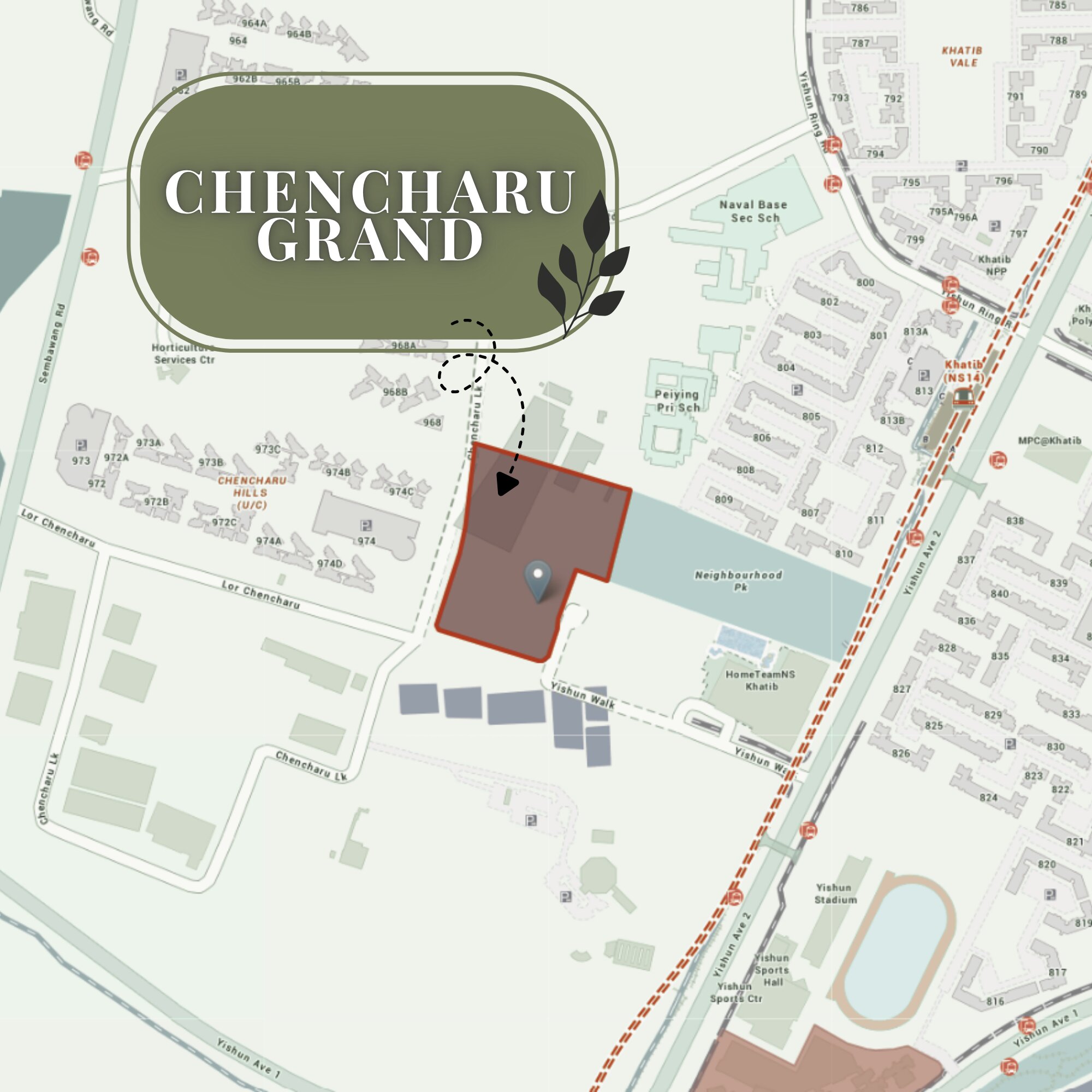
Dive deeper into specific Government Land Sales (GLS) sites with our detailed analyses. These featured reviews provide comprehensive insights into the potential of key upcoming developments, helping you understand their strategic importance and investment appeal.
4. Upcoming Condo Launches
The transition from a raw GLS site to a premium condominium launch is a multi-year journey of strategic planning and market positioning. For buyers, the 'early-bird' advantage starts here—at the land acquisition stage. By understanding the developer's breakeven cost and the site's unique attributes, you can identify value-buy opportunities before the first showroom opens. Our tracking system monitors these projects from tender award to official launch, ensuring you have the data needed to act when the right opportunity arises.
Stay ahead of the curve by exploring our comprehensive guide to Upcoming Condo Launches Singapore 2026. This resource provides detailed information on projects currently in the pipeline, allowing you to track developments from their GLS origins to their official sales launches. Understanding these projects early can provide a significant advantage in identifying prime investment opportunities.


5. Related Project Reviews
While Government Land Sales (GLS) analysis provides crucial foresight into future developments, the real depth of understanding comes once projects are officially launched. At this stage, detailed, buyer-focused reviews become available, offering comprehensive evaluations that go beyond the initial land bid and site potential. These reviews delve into the specifics of each development, providing invaluable insights for prospective purchasers.
Our Project Reviews Hub is your go-to resource for in-depth analyses of launched condominiums. Here, you'll find expert assessments that cover everything from unit layouts and facilities to pricing strategies and investment potential, helping you make a well-informed decision.


These reviews evaluate project fundamentals beyond the initial GLS stage, offering a holistic view of each development's strengths and weaknesses.
6. Market Insights
Understanding Government Land Sales (GLS) analysis in isolation provides only a partial picture. To truly grasp the implications of land bids and future developments, it is essential to integrate this knowledge with broader market insights. The interplay of various macroeconomic factors, government policies, and market dynamics significantly influences the success and value appreciation of any property.
Land bids, for instance, should always be interpreted alongside prevailing interest rates, which affect borrowing costs for both developers and buyers. The overall supply pipeline of new homes, influenced by the GLS programme itself, determines market competition. Furthermore, government policy changes, such as cooling measures or adjustments to foreign ownership rules, can dramatically alter market sentiment and demand. Population growth and demographic shifts drive long-term housing needs, while general market demand and economic outlook dictate short-term fluctuations.
For a deeper dive into these critical factors, visit our Market Insights Hub. Here, you'll find expert analyses that connect the dots between GLS trends and the wider economic environment, helping you make sense of complex market signals.


7. Neighbourhood Research
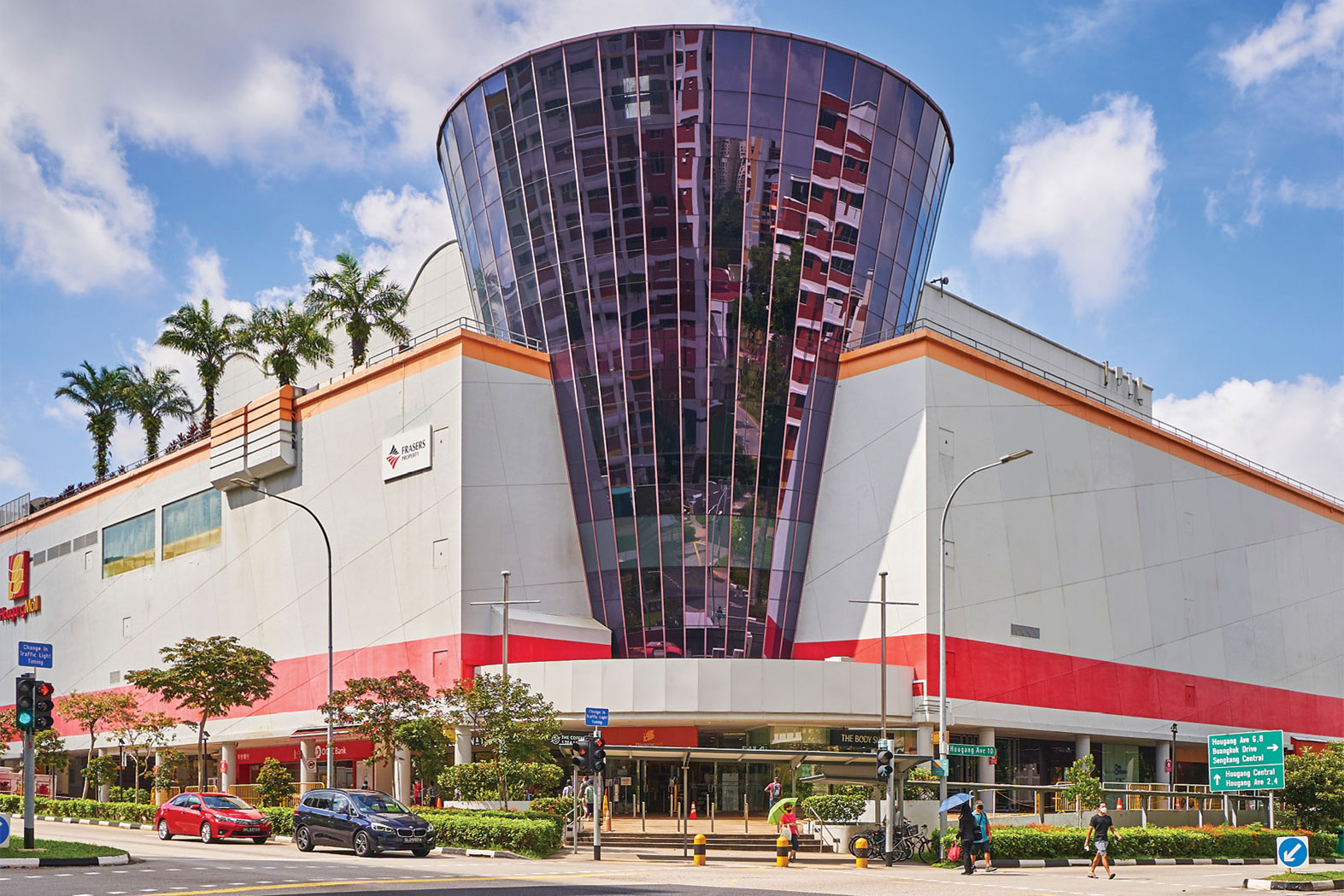
While the specifics of a Government Land Sales (GLS) site and its future development are crucial, understanding the surrounding neighbourhood is equally, if not more, important. A property's value and liveability are profoundly influenced by its immediate environment, including local amenities, connectivity, community vibe, and future growth plans. Comprehensive neighbourhood research provides the context needed to assess a GLS site's true potential and how it integrates into the broader urban fabric.
Our detailed neighbourhood guides offer insights into various estates across Singapore, helping you evaluate the lifestyle, convenience, and investment prospects of different areas. These resources are designed to complement your GLS research, ensuring you have a holistic view before making any property decisions.


8. Buyer Guides
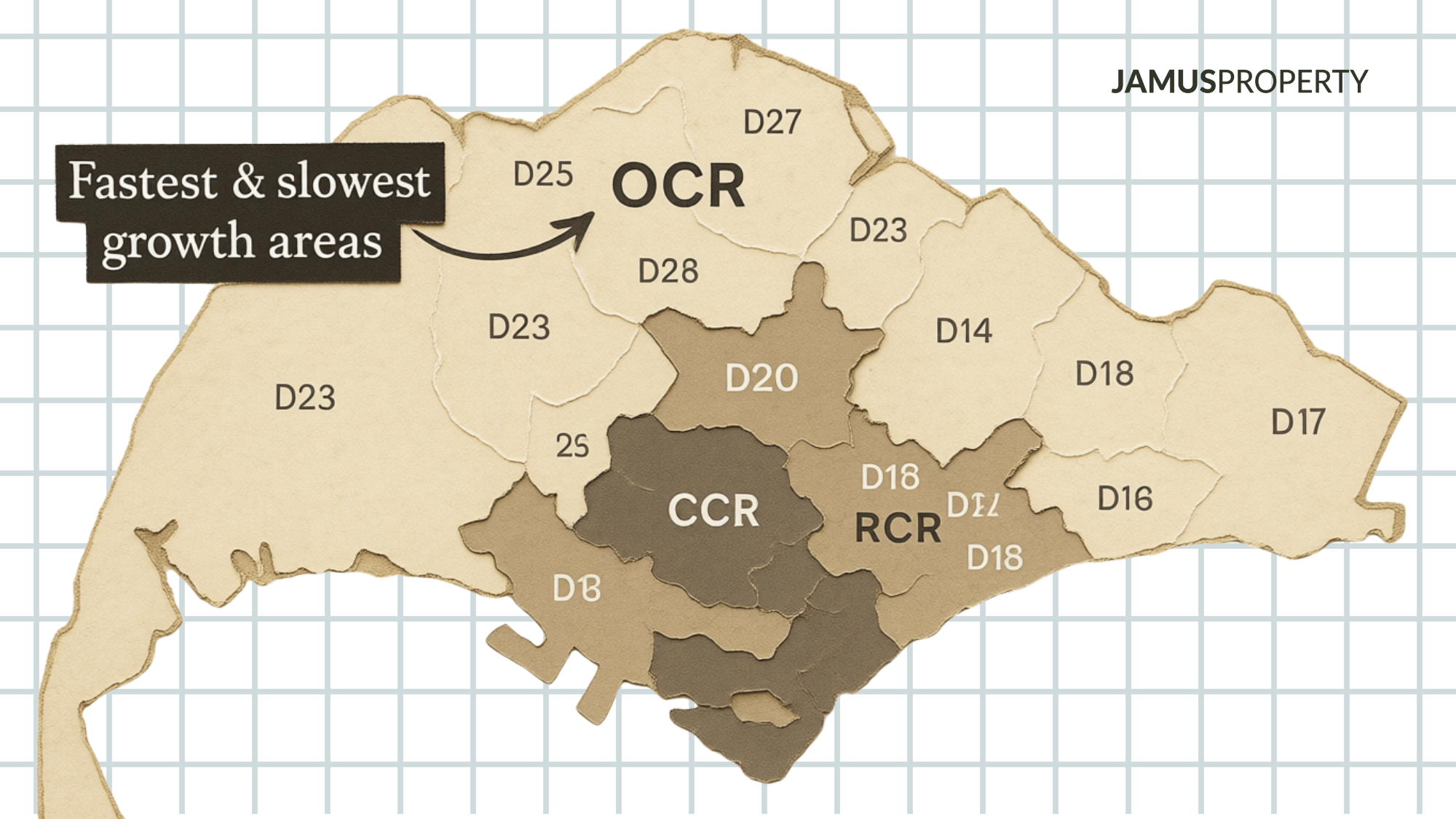
Navigating the Singapore property market, especially when considering new launches stemming from Government Land Sales (GLS) sites, requires a solid understanding of various foundational concepts. Our comprehensive buyer guides are designed to equip you with the knowledge needed to make confident and strategic decisions. These resources complement your GLS research by providing clarity on key distinctions and progression strategies.
Understanding the nuances between different property types and purchasing strategies is paramount. Whether you're a first-time buyer or a seasoned investor, these guides offer essential insights that will help you align your property choices with your financial goals and lifestyle preferences.


These resources are designed to complement your GLS research, providing the foundational knowledge to navigate the market effectively.
9. How I Evaluate A GLS Site
My evaluation of a Singapore GLS site is rooted in a proprietary 'Exit-First' framework. I don't just look at the land bid; I analyze the future resale liquidity and the potential for a 'first-mover' advantage. This involves a deep dive into the URA Master Plan to identify upcoming employment nodes and infrastructure catalysts that will drive tenant demand and capital growth. By the time a project launches, its investment potential is already largely determined by these foundational GLS dynamics.
My evaluation begins with a meticulous examination of the Location. This isn't just about the address, but its intrinsic value based on proximity to key amenities like reputable schools, bustling business hubs, and vibrant lifestyle destinations. A well-located site inherently commands higher demand and better long-term appreciation. Closely tied to this is Transport Connectivity, assessing access to existing and planned MRT lines, major expressways, and comprehensive public transport networks. Excellent connectivity significantly enhances a property's appeal and accessibility.
I then scrutinize the Surrounding Amenities, looking at the availability of essential services such as F&B establishments, retail options, healthcare facilities, and green spaces like parks and recreational areas. A rich ecosystem of amenities contributes directly to the liveability and desirability of a future development. The Land Cost, specifically the awarded land bid, is subjected to rigorous analysis to understand the developer's breakeven point and potential profit margins, which directly informs future pricing strategies. This is benchmarked against Competing Supply – both existing and upcoming residential projects in the vicinity – to gauge market saturation and competitive positioning.
A critical component of my assessment is the URA Master Plan. I evaluate how the GLS site aligns with Singapore's long-term urban development plans, identifying transformation corridors, new employment nodes, and infrastructure upgrades that could act as catalysts for future value growth. Understanding these future demand drivers is key to predicting what will attract buyers and tenants years down the line. Finally, I focus on Exit Potential, forecasting the resale liquidity and capital appreciation prospects for future owners. Every acquisition should begin with the end in mind, ensuring that the property remains a defensible long-term investment with clear pathways for future divestment.
10. Frequently Asked Questions
Here are some common questions about Singapore Government Land Sales (GLS) sites and their impact on the property market.
11. Future GLS Research
We are currently tracking several upcoming GLS sites on the Reserve List, including Dover Road and Chuan Grove. These areas are poised for significant transformation, and our preliminary research suggests they will be key battlegrounds for developer interest in the coming cycles. Stay tuned for our exclusive 'Pre-Tender Reports' which offer a first look at land bid projections and potential unit counts.

12. Conclusion
The Singapore Government Land Sales (GLS) Programme offers an invaluable early view into the nation's future property landscape. By meticulously tracking these land parcels, from their initial release to the eventual tender awards, prospective homebuyers and astute investors gain a significant advantage. Understanding the nuances of land bids, developer competition, and the strategic locations of these sites provides crucial context long before any new condominium project is officially launched to the public.
The best property decisions are never made in isolation. They emerge from a synergistic combination of comprehensive GLS research, in-depth project reviews, and a keen understanding of broader market insights. Each element provides a piece of the puzzle, allowing for a holistic assessment of a property's potential. While GLS analysis reveals the foundational supply and pricing dynamics, project reviews offer granular detail on specific developments, and market insights contextualize these within economic trends and government policies.
Ultimately, a well-rounded approach, integrating these diverse analytical perspectives, empowers buyers to identify opportunities with strong fundamentals, predict future value appreciation, and navigate Singapore's competitive property market with confidence. The GLS programme is not just about land; it's about foresight, strategy, and securing your future in one of the world's most dynamic real estate markets.
Successful property investment in Singapore begins with data, not emotion. If you're looking to identify the next high-growth project before it hits the headlines, schedule a strategic consultation with Jamus Lee. Let's analyze the GLS pipeline together to find your next strategic asset.
Disclaimer
The information provided on this website is for educational and informational purposes only. It should not be construed as financial advice, investment advice, or a recommendation to buy or sell any property. Property investment carries inherent risks, and past performance does not guarantee future results.
Always consult with qualified professionals, including financial advisors, legal counsel, and property agents, before making any property investment decisions. Jamus Lee and JamusProperty.com are not liable for any direct or indirect losses resulting from the use of information on this website.